• Adult Education and Family Literacy Week and National GED Day Recap
    By GED Author

    In case you missed it in September, we kicked off the first annual National GED Day on September 16th to recognize GED achievements and brighter futures through education. For decades, the GED has been a crucial step for many seeking to improve their lives, opening doors to higher education and career prospects. The demand for adult education is surging as society increasingly recognizes the importance of non-traditional educational pathways. We are excited to now have an official day about the dedication of GED learners, educators, graduates, and everyone who supports them throughout their educational journeys. National GED Day is officially registered with National Day Archives.

    Also, communities across the United States celebrated Adult Education and Family Literacy Week. from September 16 to 20. This event is rooted in a rich history of advocacy for educational access and empowerment, designed to highlight the importance of lifelong learning.

    The origins of this celebration can be traced back to the early 1990s when the National Coalition for Literacy (NCL) recognized the growing need for improved literacy skills among adults. At that time, statistics revealed alarming rates of illiteracy, particularly among marginalized populations. Educators and advocates recognized that enhancing adult literacy would profoundly impact families and communities.

    In 1991, the NCL initiated a campaign to raise awareness about the importance of adult education and its role in breaking the cycle of poverty. The idea was simple yet powerful: when adults improve their literacy skills, they can better support their children’s education and contribute more effectively to their communities.

    The inaugural Adult Education and Family Literacy Week was launched in 2002, marking a pivotal moment in the movement. It brought together educators, community organizations, and families to participate in workshops, storytelling sessions, and literacy-focused events. The week served as a platform to promote access to educational resources, emphasizing that learning is a lifelong journey that transcends age and circumstance.

    More recently, the GED Testing Service celebrates and joins in Adult Education and Family Literacy Week as it still serves several critical functions. First, it raises awareness about the barriers many adults face in accessing education, such as financial constraints and lack of transportation. Second, it celebrates the achievements of individuals who have pursued education against the odds, highlighting success stories that inspire others to seek help. Lastly, it fosters collaboration among local organizations, educators, and families to create a supportive learning environment.

    Throughout the week of September 16 – 20, events were held nationwide, ranging from adult education classes and family literacy nights to community fairs that connect learners with resources. We were happy to share some of the events:

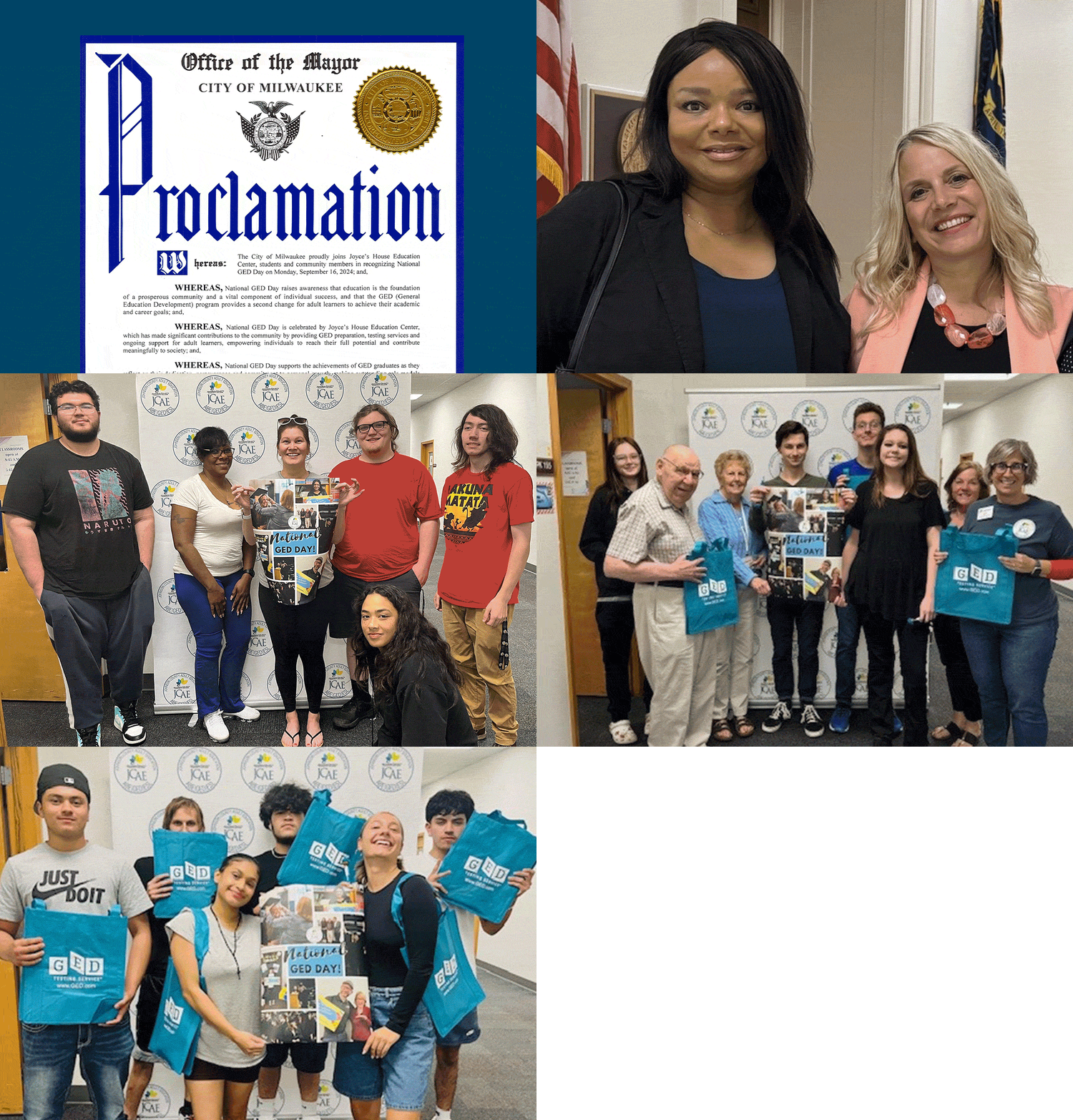
    • State Relationship Manager Adora Beard visited Congress with Coalition On Adult Basic Education CEO Sharon Bonney
    • The City of Milwaukee Proclaimed National GED Day
    • Johnson County Community College/Johnson County Adult Education in Kansas City

    The emphasis on family literacy highlights that when parents are engaged in their own learning, it positively influences their children’s academic success. Both are more vital than ever. In a rapidly changing world, the ability to read, write, and engage with information is crucial for personal and professional success. The week serves as a reminder that education is not just a privilege but a fundamental right that empowers individuals and strengthens communities.

  • Make a Difference in Your Community – Prepare for the 2024 Presidential Election November 5
    By GED Author

    As the country gears up for the upcoming presidential elections, the League of Women Voters (LWV) stands at the forefront of a vital movement: empowering citizens to engage in the democratic process through informed voting. Founded in 1920, just months before the 19th Amendment granted women the right to vote, the League has dedicated itself to advocating for voter education, accessibility, and civic engagement for over a century.

    In a polarized political landscape, the LWV emphasizes that every vote counts and that participation in elections is crucial for shaping policies that impact communities across the country. With the presidential elections approaching, the League is intensifying its efforts to encourage voters to understand their rights and responsibilities.

    One of the core missions of the LWV is to educate voters about the electoral process. This includes providing nonpartisan information about candidates, ballot measures, and voting logistics. In an age where misinformation can spread rapidly, the League’s commitment to reliable, unbiased information is more important than ever. Their website offers resources that help voters navigate the complexities of voting, including details about registration, polling locations, and the mechanics of casting a ballot.

    Moreover, the League emphasizes the importance of inclusivity in voting. Historically, marginalized communities have faced barriers to participation, and the LWV works tirelessly to combat these obstacles. Through grassroots organizing and partnerships with local organizations, the League aims to ensure that every eligible voter, regardless of their background, has the opportunity to make their voice heard.

    The upcoming elections are particularly significant, as they will determine not only the presidency but also the composition of Congress and state legislatures. With issues such as healthcare, climate change, and social justice at stake, the League encourages citizens to consider the long-term implications of their votes. They advocate for an informed electorate that weighs the policies and values of candidates before making a decision.

    In addition to voter education, the LWV is actively involved in advocating for reforms that make the voting process more accessible. This includes promoting measures such as automatic voter registration, early voting, and mail-in ballots, which can help increase participation rates.

    As Election Day approaches, the League of Women Voters reminds us that voting is not just a right; it is a responsibility. Each ballot cast is a step toward shaping a future that reflects the will of the people. With their unwavering commitment to civic engagement and education, the LWV continues to play a crucial role in fostering a democracy where every voice can be heard.

    In this pivotal moment, as citizens prepare to head to the polls, the League of Women Voters stands as a beacon of hope, urging all to embrace their power and participate fully in the democratic process. For more information, visit the League of Women Voters.

  • Inspiring Success Story: Learn about Dr. Newkirk, Veteran and Warriors Code Founder
    By GED Author

    Founder & CEO Dr. Anthony Newkirk is a Native American & African American 10-year (1989-2000) USAF ammunition specialist veteran. Here is his remarkable story or resiliency and personal growth.

    Q. You now have a distinguished career as a Veteran and a Ph.D.; was this something your younger self who enrolled in the USAF would have imagined?

    Honestly, my younger self could never have imagined the path I’m on today. When I first enlisted in the USAF at age 17, I was focused on getting out of the hood riddled with ACE and possibly un-living as a hero. Life threw some unexpected challenges my way, including battling PTSD and navigating the justice system. Through those struggles, I gained resilience and found my purpose. The journey from the military to prison and then to a Ph.D. in IT and a Doctor of Healthcare Administration from an HBCU has been transformative. Every step was necessary to lead me to where I am now—helping others through Warriors Code Inc. and creating meaningful programs for veterans, BIPOC, and beyond.

    Q. Of the many adult programs you offer for veterans, BIPOC, and LGBTQ+, which has been the most surprising? Please share the most effective technology assets.

    There were really no surprises. As someone who has overcome life’s challenges, I can tell you that any one of us is capable of overcoming incredible odds. Each hurdle we’ve faced has taught us resilience and strength, shaping us into individuals who can rise above adversity. With determination, support, and belief in ourselves, we can achieve what once seemed impossible, inspiring others along the way.

    In terms of technology, we’ve utilized refurbished laptops and integrated SMART Goals and SMART Recovery, both of which use structured, evidence-based tools that help participants take control of their expedition to wellness. We also use telehealth platforms to expand our reach, allowing veterans and other participants to connect regardless of location. These assets ensure we can offer consistent and accessible care to all.

    Q. Tell us about your Outpatient Treatment Center. What is the most rewarding aspect of your center?

    Warriors Code Inc. Outpatient Treatment Center is a space where individuals can come for support, healing, and community. We focus on a lifestyle (not 30/60/90 day) Substance Use Disorder (SUD) program that includes various interventions such as life skills, coping strategies, wellness practices, grief counseling, and self-care techniques. The most rewarding aspect is seeing the transformation in people who initially felt stuck or defeated. Watching them build new lives, reconnect with their families, and find peace is incredibly fulfilling.

    Q. If you were granted one wish to improve your Outpatient Treatment Center, what would that be?

    It would be to expand our resources for holistic healing practices. While we already incorporate cultural elements and SMART recovery, I would love to provide even more access to mental health services and traditional wellness methods, such as sweat lodges and elder-guided teachings. This would help bridge modern therapy and ancestral wisdom, creating a more complete and culturally sensitive approach to healing.

    Q. Or any other information you would prefer to share with our audience of educators and program administrators?

    I want to share the importance of cultural humility in any program—especially those serving BIPOC (black, indigenous, person of color) and marginalized communities. Understanding the histories and the unique challenges these communities face is critical in offering effective support.

  • Back to School – Resources to support GED Educators
    By GED Author

    Back to School: Six Essential Tips and Preparation Techniques for Adult Educators

    As summer fades and the back-to-school season approaches, adult educators nationwide are gearing up for another successful academic year. GED Testing Service has curated the following resources to support both new and seasoned educators.

    1. GED 101 is available as a refresher course for experienced educators or as a tool for new educators and program administrators in the new states that joined the GED Testing Service in 2023. Educators spend significant time designing and updating curricula to align with current educational standards and industry needs.

    2. Professional Development: At GED Testing Service, we recognize the vital role of Celebrating ongoing professional development for the growth and success of educators. We are delighted to offer the Tuesday for Teacher webinars as a platform for this. This ongoing professional development keeps them updated and helps them bring innovative approaches to their classes.

    3. Classroom Setup: Preparing the physical or virtual classroom is crucial. For in-person classes, this might involve arranging the seating, setting up technology, and ensuring all materials are ready. For online courses, it involves configuring learning management systems and ensuring all digital resources are accessible. Here are free classroom materials.

    4. Student Engagement Strategies: GED.com has a wealth of materials and resources to help educators and administrators To foster an engaging learning environment, educators develop strategies for interactive teaching, including group activities, and can use the following resources to promote your adult education program.

    5. Support Systems: As educators, we understand the importance of providing comprehensive support to our students. We often set up support systems such as tutoring services, counseling resources, and career guidance. Ensuring these resources are in place is not just a task, but a responsibility that helps students succeed both academically and personally.

    6. Assessment Planning: Developing clear and fair assessment methods is crucial for evaluating student progress. Educators prepare various types of assessments, including quizzes, exams, and projects, and align them with the course’s learning objectives.

    We are confident that the above tips, when implemented effectively, will help you prepare for a successful academic year. Here’s to a great start!

  • Arkansas Adult Education Ranks as one of the States with the Highest Pass Rates
    By GED Author

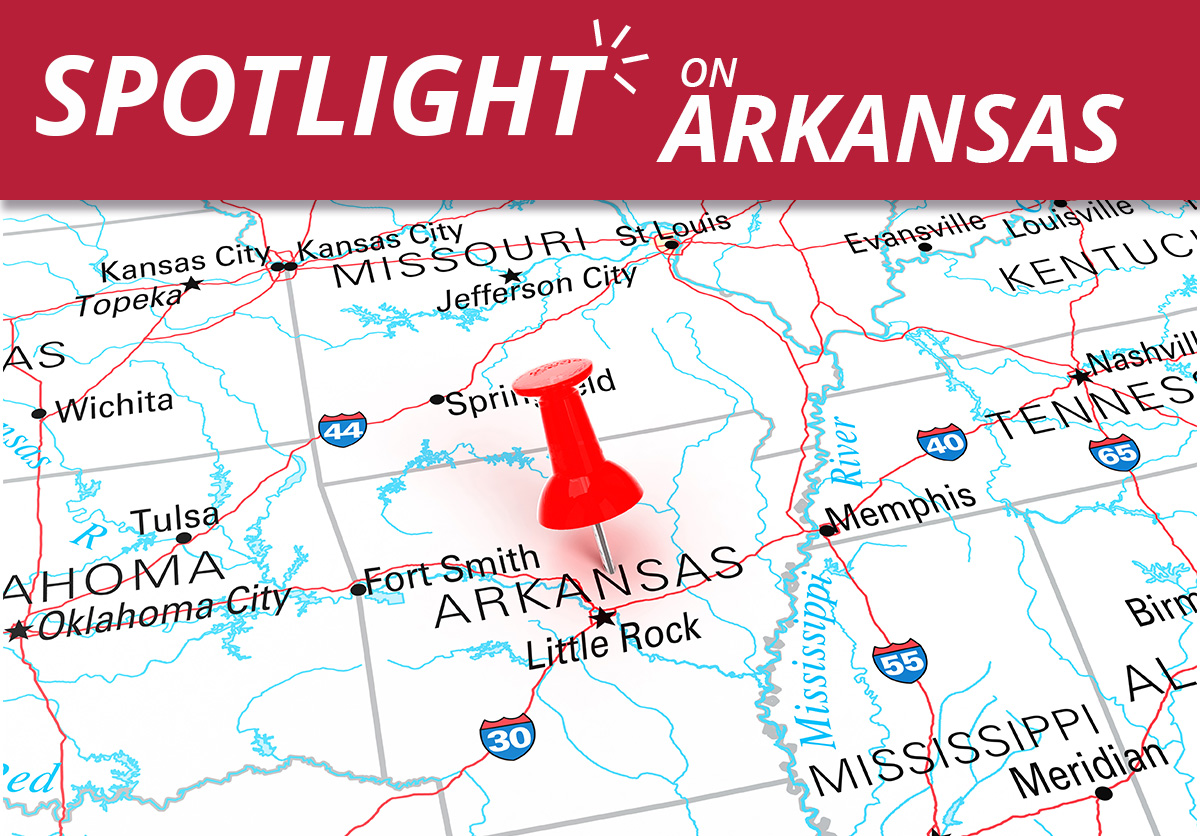
    The Arkansas Department of Commerce has demonstrated remarkable success in expanding and enhancing adult education programs in recent years. As the state grapples with evolving economic demands and a diverse population, the Department’s adult education sector has proven instrumental in fostering personal growth and economic development. The impact of this success on the state’s economic development is a source of pride and optimism for all Arkansans. The Adult Education division oversees 37 adult education programs and two literacy councils, providing services to all 75 counties in Arkansas.

    Overall, 2,659 students passed the GED® test in Arkansas in 2023. Adult Education is ranked fourth in the nation among GED test pass rates, with 85% of students passing in 2023. Arkansas consistently ranks as one of the top states with the highest pass rates on the test. In 2023, Arkansas had a pass rate of 86 percent, which surpassed the national pass rate of 75 percent. Arkansas’ high pass rate can be attributed to the collaborative effort between our dedicated teachers and determined students.

    Arkansas has long faced challenges with educational attainment and workforce readiness. Recognizing these issues, the Department of Commerce made a concerted effort to bolster its adult education initiatives, leading to significant achievements. The program’s success can be attributed to several key factors, including increased funding, strategic partnerships, and a focus on individualized learning.

    One of the standout aspects of Arkansas’s adult education programs is their focus on accessibility. The Department has prioritized reaching underserved communities by offering classes in both urban and rural areas. This geographical inclusivity ensures that more Arkansans can benefit from educational opportunities, regardless of their location. Additionally, the Department has embraced technology by incorporating online and hybrid learning options, which have proven essential for those balancing work and family responsibilities.

    Collaboration with local businesses and educational institutions has further fueled the program’s success. By aligning educational offerings with industry needs, the Department has created a workforce-ready pipeline. Partnerships with local employers and trade organizations have facilitated the development of targeted curricula, including skills training and certification programs tailored to high-demand fields such as healthcare, manufacturing, and information technology.

    High school diploma earners are employed at a higher rate than those without a diploma. According to the 2023 Current Population Survey (CPS), the employment rate was higher for those with higher levels of educational attainment. For example, the employment rate increased consistently with each level of educational attainment, from 44.5% for those with less than a high school diploma to 72.1% for those with bachelor’s degrees and beyond.

  • Honoring Hispanic Heritage Month September 15 – October 15
    By GED Author
    Information and statistics provided by Hispanic Star Dataset

    Latinos are a dynamic force in the U.S. workforce, with significant contributions and an impressive growth trajectory. As of now, 29 million Latinos are in the U.S. workforce, underscoring their crucial role in the nation’s economic landscape. This demographic is expected to become even more influential in the coming years. Projections indicate that by 2030, one out of every five U.S. workers will be Hispanic. This shift will substantially change the workforce composition and influence the future direction of labor market trends.

    Latinos have one of the highest labor force participation rates among racial and ethnic groups, currently standing at 65.6%. This high level of engagement reflects their integral role in various industries and sectors. The anticipated growth is further highlighted by the fact that 78% of the net new workers expected between 2020 and 2030 are projected to be Latino, emphasizing their pivotal role in future workforce expansion.

    Latinos are an increasingly significant demographic in the U.S. education system, and their presence and experiences reflect broader trends and challenges within the sector. As Latino student numbers continue to rise, understanding their impact and addressing their needs becomes ever more critical.

    Latinos make up 27% of the nation’s 50.6 million public school students, marking a substantial and growing presence in American classrooms. This rise is accompanied by a notable increase in English learners, whose numbers grew by 33% between the 2000–01 and 2017–18 school years. This growth highlights the need for tailored educational resources and support to accommodate diverse linguistic and cultural backgrounds.

    Latinos represent 21% of the 16.6 million students in higher education enrolled in undergraduate programs. This percentage highlights their significant contribution to the academic landscape, with many of these students navigating the complexities of college life as first-generation students. 70% of Latino college students are the first in their families to pursue higher education, reflecting both their ambition and the challenges they face in accessing and succeeding in college.

    Despite their growing numbers and achievements, Latino students encounter several obstacles. For instance, 35% of LGBTQ Latinx students report feeling unsafe at school, which often leads to higher absenteeism. This safety concern is a critical issue that schools must address to create an inclusive and supportive environment for all students.

    The increasing representation of Latinos in education presents both opportunities and challenges. The rise in Latino students in public schools and colleges is a testament to the community’s commitment to education and upward mobility. However, it also necessitates a concerted effort to address the specific needs of these students, including support for English learners, mental health resources, and programs to assist first-generation college students.

  • Celebrating the First National GED Day, September 16
    By GED Author

    National GED Day, observed on September 16, is a significant occasion dedicated to recognizing the achievements of those who have earned their GED credential and celebrates the importance of educational opportunities for all. This day highlighted the role of the GED in providing a pathway to further education and improved career prospects for individuals who did not complete their traditional high school education.

    For many, earning a GED is a crucial step toward personal and professional advancement. It opens doors to higher education, vocational training, and better employment opportunities. According to the American Council on Education, those with a GED are statistically more likely to pursue higher education and have better earning potential than those without any high school credential.

    National GED Day is a time to celebrate the hard work and determination of GED graduates. It’s also an opportunity to raise awareness about the importance of adult education and the resources available to those seeking to earn their diploma. Events and activities across the country often include:

    Across the country, multiple organizations joined in the celebration of National GED Day. Some of the highlights included:

    • GED Program celebration at Tulare Adult School in California (pictured above) including Superintendent Lucy VanScyoc, Director of Adult Education Rand Clem, and GED instructors and proctors Jesus Martinez, Daniella Martinez, Tiffany Sarmiento, and GED students,
    • Honorable Muriel Bowser, Mayor of Washington D.C., proclaimed the importance of National GED Day and education in the community’s well-being,
    • Morehouse State University in Kentucky hosting an open house,
    • a radio interview at the NPR covering Indian River State College GED program
    • State Relationship Manager Lisa Pool-Osorio’s GED update presentation at an open house at the Nevada Department of Education,
    • The Mississippi Community College Board State Director of Adult Education Beth Little and her staff proclaimed the importance of the GED in the Magnolia State,
    • State Relationship Manager Adora Beard attended the kickoff event for their 4th & Goal at Anne Arundel Community College in Arnold, Maryland.

    Lastly, in celebration of National GED Day, a special episode of our Education UnplugGED podcast episode featured Vicki Greene, President of GED Testing Service, and Ted Mitchell, President of the American Council on Education.

  • A Summary of 2024 GED® Conference: We’re Not Done Yet!
    By GED Author

    Here is a summary of the 2024 GED Conference for the educators and program administrators who were not able to join us. The GED Conference, held in Long Beach, California, from July 24 to 26, was an inspirational event centered around the theme “We Are Not Done Yet!” The conference, which brought together close to 600 educators, administrators, and industry leaders from 24 states, provides a space for thought leaders to work together in shaping the future of adult education.

    This year’s key highlights included speaker Marcus Bullock, a renowned entrepreneur and justice reform advocate, and GED President Vicki Greene, who set a moving tone for the event.

    Attendees had access to 54 interactive sessions, including 10 new sessions, covering topics such as using AI tools in education, advanced teaching techniques in algebra, and applying GED Analytics for different levels of instruction. Sessions focused on correctional education and Integrated Education and Training programs also took place.

    The annual meeting also featured a preview of the GED mobile app, GED & Me™, designed to support learners with on-the-go access to resources. Other offerings also included a Train the Trainer session, information GED® analytics, multiple sessions offered in Spanish, and awards for the Administrator of the Year, Mike Farma and celebrations of awards for GED® graduates. Additionally, the exhibition hall provided hands-on experiences with the latest educational tools and technologies.

    Overall, the conference was a platform for professionals to gain fresh insights, celebrate the successes of their students, share best practices, and contribute to the ongoing evolution of GED programs, leaving everyone with a sense of pride and motivation.

  • Inspiring success stories from Denver Public Schools’ Community Hubs
    By GED Author

    Read the heart-warming story of 62 recent GED graduates who are parents of Denver Public Schools students, studying side by side.

    Launched in 2022 by Denver Public School Superintendent Alex Marrero, the community hubs take a two-generation approach to improving students’ lives by helping children and parents with learning opportunities such as the GED and other services, from financial counseling to mobile medical appointments. Denver Public School Community Hubs address a holistic approach to student learning through programs and services that support families’ social, emotional, physical, academic, and basic needs. Denver Public Schools works with each identified community to build out the services most aligned to their needs.

    Community Hubs is dedicated to promoting equity and inclusion in their communities. These Community Hubs celebrate diversity while addressing the unique needs of their community members. To ensure inclusivity, the staff work diligently to remove barriers and make their programs accessible. They provide physical accessibility, language accommodations, and support for diverse learning styles and abilities. They value representation and empower individuals from marginalized groups to participate and lead in their programs. Everyone in the community should have a voice and contribute to their Community Hubs’ success.

    The Community Hubs also have a training-to-employment pipeline designed to increase diversity across Denver Public Schools and better reflect the city’s demographic makeup by providing skills training and resume-building classes.

    The message to DPS parents is: “We want you here. That’s the magic of the community hubs,” says Community Hub Executive Director Esmeralda de la Oliva. The magic is also in the dedication of the staff. From GED instructor Mayra Laguna, who customized materials for her students, to ESL instructors to all Community Hubs staff members who are dedicated to their students’ academic achievement and overall well-being. “This is a work of love and your heart has to be in the right place. Our families deserve the best.” said De la Oliva.

    On a recent Wednesday morning, adult Spanish-speaking students in a GED class practiced math and celebrated with pink-frosted cupcakes for a classmate who had passed their tests. Since 2022 the six Denver area Community Hubs have provided GED classes to hundreds of students from various countries. The learners’ ages ranged from 28 to 45. The graduating class of 62 was the largest to date.

  • President’s Corner: Announcing the First Official National GED Day on September 16
    By GED Author

    Let’s recognize GED graduates, appreciate adult educators and kick off National Adult Education and Family Literacy Week!

    I have always thought of the GED as so much more than a test – it’s an entire program that equips learners for success in education and in life, building knowledge and confidence for a brighter, more equitable future for all. This is one of the reasons why we are excited to announce the first annual National GED Day to be celebrated on September 16th. We are proud to raise awareness for the GED and acknowledge the determination and resilience of GED learners, the commitment of educators, and the support of all those who motivate students to succeed.

  • Spotlight on California: California Council for Adult Education: Supporting Lifelong Learning
    By GED Author

    Innovative programs from the Voice of Adult Education in the largest state in the continental USA

    The California Council for Adult Education (CCAE) is California’s largest professional organization serving adult education. CCAE serves all levels of the adult education community, including teachers, classified staff, administrators, and learners. For this reason, CCAE plays a pivotal role in enhancing adult education across the state. Established to advocate for adult learners, CCAE provides high-quality education opportunities that empower individuals to achieve their personal and professional goals.

    One of the primary objectives of the CCAE is to promote policies that support funding and resources for adult education programs. The council’s inclusive and collaborative approach, working with various stakeholders, including educators, policymakers, and community organizations, ensures that adult learners have access to the necessary tools for success. This approach fosters a sense of community and shared responsibility, making CCAE a true partner in the adult education community.

    CCAE offers a range of professional development opportunities for educators, equipping them with innovative teaching strategies and resources to better meet the diverse needs of adult students. By fostering a community of practice, the council encourages collaboration and sharing best practices among educators throughout California.

    CCAE executive director Adriana Sánchez-Aldana says “at CCAE we stay true to the origins of adult education in California, dating back to 1856 in the basement of St. Mary’s Cathedral in San Francisco. The San Francisco Board of Education authorized the class to teach English to Irish, Italian, and Chinese immigrants. Adult schools have been called upon on numerous occasions to assist the state in dealing with significant social, political, and economic issues.”

    In addition to its advocacy and professional development efforts, the California Council for Adult Education (CCAE) is unwavering in its commitment to raising awareness about the transformative power of adult education. Through outreach initiatives and partnerships, CCAE seeks to inspire hope and highlight how education can transform lives, improve job prospects, and enhance community well-being.

    In essence, the CCAE stands as a vital advocate for adult education in California, ensuring that all individuals have the opportunity to learn and grow, no matter their age or background.

  • Inspiring GED Student Story: Leonardo in Downey, CA
    By GED Author

    Leonardo was awarded his GED diploma at a ceremony on April 23, 2024 at the Downey Adult School. His journey towards this accomplishment is truly remarkable as Leonardo suffered a stroke in August 2017, leaving most of his body paralyzed and unable to speak. He was no longer able to work, as his “new job” was to recover and heal. Over the next two years Leonardo worked on strengthening his mind and body with the help of the Rancho Los Amigos National Rehabilitation Center. As he continued to heal, he realized he wanted to go back to school to get his GED. At the end of 2019, he enrolled at Downey Adult School. There were many obstacles along the way including COVID and his rehabilitation.

    Leonardo is best at telling his story: “I now am enrolling at Cerritos College to continue my education in computer technology. I knew that I could not let this opportunity pass. When I was younger, I chose not to finish school and start in construction, but I now believe continuing my education is the key to my success and will only create a stronger foundation for my future.”

    Life is a journey, and sometimes the journey is not what you planned, or maybe you did not know what plan was needed. Some people may see the GED as just a piece of paper, but I know it has opened a door for me to go to Cerritos and eventually to a university. It has been a great honor to witness my fellow graduates work diligently, dedicating their time and efforts to school while also balancing life’s day-to-day obligations. For the times we may feel we are not good enough to accomplish good things in our lives, I can now say let the good times continue.”

    Leonardo also wanted to thank the entire staff at the Downey Adult School and especially his program counselor, Robert Dame. The school has served the Downey community and surrounding areas for over 70 years. It offers a variety of courses to its diverse community, including 18 different Career Technical Education options. At Downey, the entire staff’s first priority is helping their learners reach their educational, career, and personal goals. Downey Adult School is actively collaborating with Cerritos College and its newly formed consortium, Partnership for Adult Academic and Career Education (PAACE), to further enhance its educational offerings and opportunities.

In Session Educator Newsletter