
• Back to School – Resources to support GED Educators
    By GED Author

    Back to School: Six Essential Tips and Preparation Techniques for Adult Educators

    As summer fades and the back-to-school season approaches, adult educators nationwide are gearing up for another successful academic year. GED Testing Service has curated the following resources to support both new and seasoned educators.

    1. GED 101 is available as a refresher course for experienced educators or as a tool for new educators and program administrators in the new states that joined the GED Testing Service in 2023. Educators spend significant time designing and updating curricula to align with current educational standards and industry needs.

    2. Professional Development: At GED Testing Service, we recognize the vital role of Celebrating ongoing professional development for the growth and success of educators. We are delighted to offer the Tuesday for Teacher webinars as a platform for this. This ongoing professional development keeps them updated and helps them bring innovative approaches to their classes.

    3. Classroom Setup: Preparing the physical or virtual classroom is crucial. For in-person classes, this might involve arranging the seating, setting up technology, and ensuring all materials are ready. For online courses, it involves configuring learning management systems and ensuring all digital resources are accessible. Here are free classroom materials.

    4. Student Engagement Strategies: GED.com has a wealth of materials and resources to help educators and administrators To foster an engaging learning environment, educators develop strategies for interactive teaching, including group activities, and can use the following resources to promote your adult education program.

    5. Support Systems: As educators, we understand the importance of providing comprehensive support to our students. We often set up support systems such as tutoring services, counseling resources, and career guidance. Ensuring these resources are in place is not just a task, but a responsibility that helps students succeed both academically and personally.

    6. Assessment Planning: Developing clear and fair assessment methods is crucial for evaluating student progress. Educators prepare various types of assessments, including quizzes, exams, and projects, and align them with the course’s learning objectives.

    We are confident that the above tips, when implemented effectively, will help you prepare for a successful academic year. Here’s to a great start!

  • Arkansas Adult Education Ranks as one of the States with the Highest Pass Rates
    By GED Author

    The Arkansas Department of Commerce has demonstrated remarkable success in expanding and enhancing adult education programs in recent years. As the state grapples with evolving economic demands and a diverse population, the Department’s adult education sector has proven instrumental in fostering personal growth and economic development. The impact of this success on the state’s economic development is a source of pride and optimism for all Arkansans. The Adult Education division oversees 37 adult education programs and two literacy councils, providing services to all 75 counties in Arkansas.

    Overall, 2,659 students passed the GED® test in Arkansas in 2023. Adult Education is ranked fourth in the nation among GED test pass rates, with 85% of students passing in 2023. Arkansas consistently ranks as one of the top states with the highest pass rates on the test. In 2023, Arkansas had a pass rate of 86 percent, which surpassed the national pass rate of 75 percent. Arkansas’ high pass rate can be attributed to the collaborative effort between our dedicated teachers and determined students.

    Arkansas has long faced challenges with educational attainment and workforce readiness. Recognizing these issues, the Department of Commerce made a concerted effort to bolster its adult education initiatives, leading to significant achievements. The program’s success can be attributed to several key factors, including increased funding, strategic partnerships, and a focus on individualized learning.

    One of the standout aspects of Arkansas’s adult education programs is their focus on accessibility. The Department has prioritized reaching underserved communities by offering classes in both urban and rural areas. This geographical inclusivity ensures that more Arkansans can benefit from educational opportunities, regardless of their location. Additionally, the Department has embraced technology by incorporating online and hybrid learning options, which have proven essential for those balancing work and family responsibilities.

    Collaboration with local businesses and educational institutions has further fueled the program’s success. By aligning educational offerings with industry needs, the Department has created a workforce-ready pipeline. Partnerships with local employers and trade organizations have facilitated the development of targeted curricula, including skills training and certification programs tailored to high-demand fields such as healthcare, manufacturing, and information technology.

    High school diploma earners are employed at a higher rate than those without a diploma. According to the 2023 Current Population Survey (CPS), the employment rate was higher for those with higher levels of educational attainment. For example, the employment rate increased consistently with each level of educational attainment, from 44.5% for those with less than a high school diploma to 72.1% for those with bachelor’s degrees and beyond.

  • Honoring Hispanic Heritage Month September 15 – October 15
    By GED Author
    Information and statistics provided by Hispanic Star Dataset

    Latinos are a dynamic force in the U.S. workforce, with significant contributions and an impressive growth trajectory. As of now, 29 million Latinos are in the U.S. workforce, underscoring their crucial role in the nation’s economic landscape. This demographic is expected to become even more influential in the coming years. Projections indicate that by 2030, one out of every five U.S. workers will be Hispanic. This shift will substantially change the workforce composition and influence the future direction of labor market trends.

    Latinos have one of the highest labor force participation rates among racial and ethnic groups, currently standing at 65.6%. This high level of engagement reflects their integral role in various industries and sectors. The anticipated growth is further highlighted by the fact that 78% of the net new workers expected between 2020 and 2030 are projected to be Latino, emphasizing their pivotal role in future workforce expansion.

    Latinos are an increasingly significant demographic in the U.S. education system, and their presence and experiences reflect broader trends and challenges within the sector. As Latino student numbers continue to rise, understanding their impact and addressing their needs becomes ever more critical.

    Latinos make up 27% of the nation’s 50.6 million public school students, marking a substantial and growing presence in American classrooms. This rise is accompanied by a notable increase in English learners, whose numbers grew by 33% between the 2000–01 and 2017–18 school years. This growth highlights the need for tailored educational resources and support to accommodate diverse linguistic and cultural backgrounds.

    Latinos represent 21% of the 16.6 million students in higher education enrolled in undergraduate programs. This percentage highlights their significant contribution to the academic landscape, with many of these students navigating the complexities of college life as first-generation students. 70% of Latino college students are the first in their families to pursue higher education, reflecting both their ambition and the challenges they face in accessing and succeeding in college.

    Despite their growing numbers and achievements, Latino students encounter several obstacles. For instance, 35% of LGBTQ Latinx students report feeling unsafe at school, which often leads to higher absenteeism. This safety concern is a critical issue that schools must address to create an inclusive and supportive environment for all students.

    The increasing representation of Latinos in education presents both opportunities and challenges. The rise in Latino students in public schools and colleges is a testament to the community’s commitment to education and upward mobility. However, it also necessitates a concerted effort to address the specific needs of these students, including support for English learners, mental health resources, and programs to assist first-generation college students.

  • Celebrating the First National GED Day, September 16
    By GED Author

    National GED Day, observed on September 16, is a significant occasion dedicated to recognizing the achievements of those who have earned their GED credential and celebrates the importance of educational opportunities for all. This day highlighted the role of the GED in providing a pathway to further education and improved career prospects for individuals who did not complete their traditional high school education.

    For many, earning a GED is a crucial step toward personal and professional advancement. It opens doors to higher education, vocational training, and better employment opportunities. According to the American Council on Education, those with a GED are statistically more likely to pursue higher education and have better earning potential than those without any high school credential.

    National GED Day is a time to celebrate the hard work and determination of GED graduates. It’s also an opportunity to raise awareness about the importance of adult education and the resources available to those seeking to earn their diploma. Events and activities across the country often include:

    Across the country, multiple organizations joined in the celebration of National GED Day. Some of the highlights included:

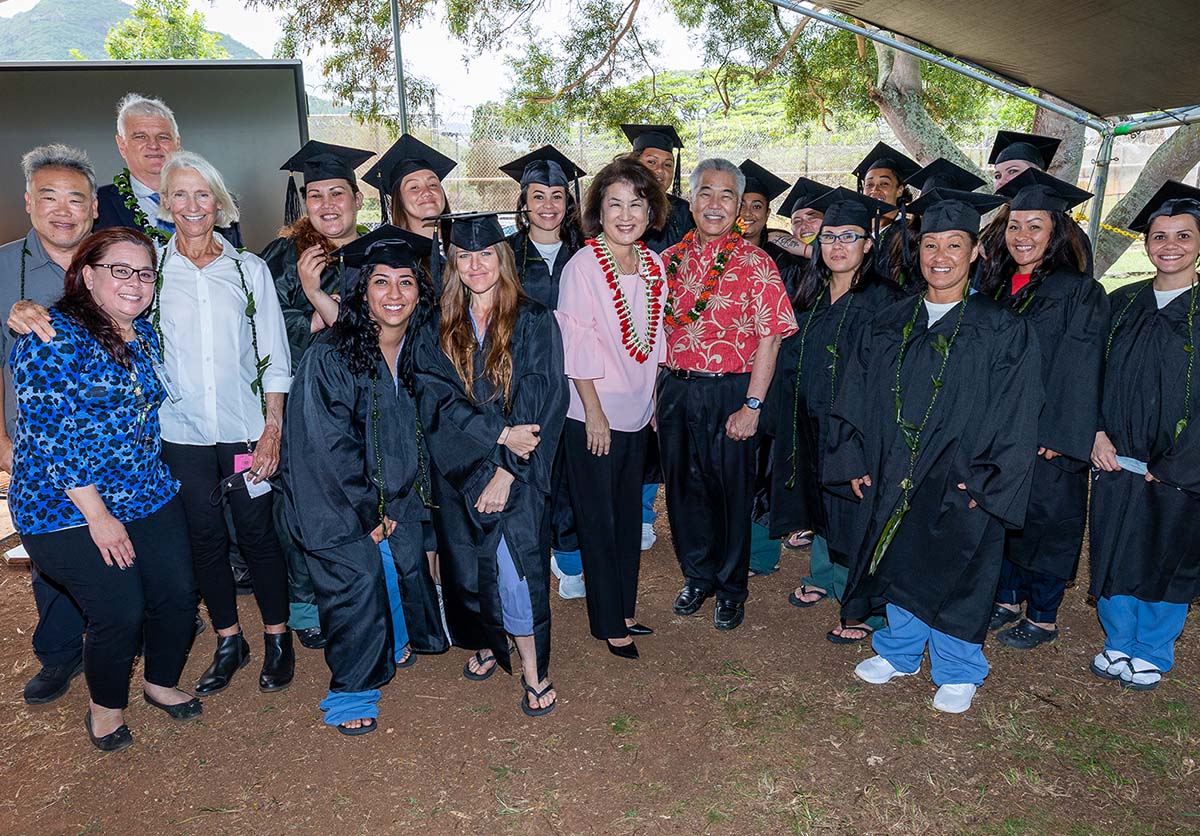
    • GED Program celebration at Tulare Adult School in California (pictured above) including Superintendent Lucy VanScyoc, Director of Adult Education Rand Clem, and GED instructors and proctors Jesus Martinez, Daniella Martinez, Tiffany Sarmiento, and GED students,
    • Honorable Muriel Bowser, Mayor of Washington D.C., proclaimed the importance of National GED Day and education in the community’s well-being,
    • Morehouse State University in Kentucky hosting an open house,
    • a radio interview at the NPR covering Indian River State College GED program
    • State Relationship Manager Lisa Pool-Osorio’s GED update presentation at an open house at the Nevada Department of Education,
    • The Mississippi Community College Board State Director of Adult Education Beth Little and her staff proclaimed the importance of the GED in the Magnolia State,
    • State Relationship Manager Adora Beard attended the kickoff event for their 4th & Goal at Anne Arundel Community College in Arnold, Maryland.

    Lastly, in celebration of National GED Day, a special episode of our Education UnplugGED podcast episode featured Vicki Greene, President of GED Testing Service, and Ted Mitchell, President of the American Council on Education.

In Session Educator Newsletter