• Adult Education and Family Literacy Week and National GED Day Recap
    By GED Author

    In case you missed it in September, we kicked off the first annual National GED Day on September 16th to recognize GED achievements and brighter futures through education. For decades, the GED has been a crucial step for many seeking to improve their lives, opening doors to higher education and career prospects. The demand for adult education is surging as society increasingly recognizes the importance of non-traditional educational pathways. We are excited to now have an official day about the dedication of GED learners, educators, graduates, and everyone who supports them throughout their educational journeys. National GED Day is officially registered with National Day Archives.

    Also, communities across the United States celebrated Adult Education and Family Literacy Week. from September 16 to 20. This event is rooted in a rich history of advocacy for educational access and empowerment, designed to highlight the importance of lifelong learning.

    The origins of this celebration can be traced back to the early 1990s when the National Coalition for Literacy (NCL) recognized the growing need for improved literacy skills among adults. At that time, statistics revealed alarming rates of illiteracy, particularly among marginalized populations. Educators and advocates recognized that enhancing adult literacy would profoundly impact families and communities.

    In 1991, the NCL initiated a campaign to raise awareness about the importance of adult education and its role in breaking the cycle of poverty. The idea was simple yet powerful: when adults improve their literacy skills, they can better support their children’s education and contribute more effectively to their communities.

    The inaugural Adult Education and Family Literacy Week was launched in 2002, marking a pivotal moment in the movement. It brought together educators, community organizations, and families to participate in workshops, storytelling sessions, and literacy-focused events. The week served as a platform to promote access to educational resources, emphasizing that learning is a lifelong journey that transcends age and circumstance.

    More recently, the GED Testing Service celebrates and joins in Adult Education and Family Literacy Week as it still serves several critical functions. First, it raises awareness about the barriers many adults face in accessing education, such as financial constraints and lack of transportation. Second, it celebrates the achievements of individuals who have pursued education against the odds, highlighting success stories that inspire others to seek help. Lastly, it fosters collaboration among local organizations, educators, and families to create a supportive learning environment.

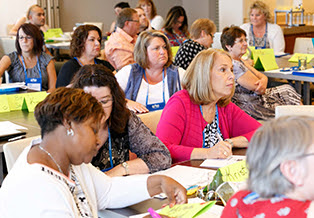
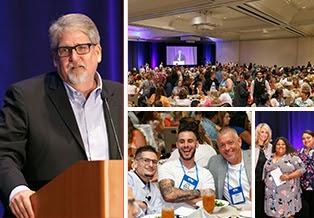
    Throughout the week of September 16 – 20, events were held nationwide, ranging from adult education classes and family literacy nights to community fairs that connect learners with resources. We were happy to share some of the events:

    • State Relationship Manager Adora Beard visited Congress with Coalition On Adult Basic Education CEO Sharon Bonney
    • The City of Milwaukee Proclaimed National GED Day
    • Johnson County Community College/Johnson County Adult Education in Kansas City

    The emphasis on family literacy highlights that when parents are engaged in their own learning, it positively influences their children’s academic success. Both are more vital than ever. In a rapidly changing world, the ability to read, write, and engage with information is crucial for personal and professional success. The week serves as a reminder that education is not just a privilege but a fundamental right that empowers individuals and strengthens communities.

  • Make a Difference in Your Community – Prepare for the 2024 Presidential Election November 5
    By GED Author

    As the country gears up for the upcoming presidential elections, the League of Women Voters (LWV) stands at the forefront of a vital movement: empowering citizens to engage in the democratic process through informed voting. Founded in 1920, just months before the 19th Amendment granted women the right to vote, the League has dedicated itself to advocating for voter education, accessibility, and civic engagement for over a century.

    In a polarized political landscape, the LWV emphasizes that every vote counts and that participation in elections is crucial for shaping policies that impact communities across the country. With the presidential elections approaching, the League is intensifying its efforts to encourage voters to understand their rights and responsibilities.

    One of the core missions of the LWV is to educate voters about the electoral process. This includes providing nonpartisan information about candidates, ballot measures, and voting logistics. In an age where misinformation can spread rapidly, the League’s commitment to reliable, unbiased information is more important than ever. Their website offers resources that help voters navigate the complexities of voting, including details about registration, polling locations, and the mechanics of casting a ballot.

    Moreover, the League emphasizes the importance of inclusivity in voting. Historically, marginalized communities have faced barriers to participation, and the LWV works tirelessly to combat these obstacles. Through grassroots organizing and partnerships with local organizations, the League aims to ensure that every eligible voter, regardless of their background, has the opportunity to make their voice heard.

    The upcoming elections are particularly significant, as they will determine not only the presidency but also the composition of Congress and state legislatures. With issues such as healthcare, climate change, and social justice at stake, the League encourages citizens to consider the long-term implications of their votes. They advocate for an informed electorate that weighs the policies and values of candidates before making a decision.

    In addition to voter education, the LWV is actively involved in advocating for reforms that make the voting process more accessible. This includes promoting measures such as automatic voter registration, early voting, and mail-in ballots, which can help increase participation rates.

    As Election Day approaches, the League of Women Voters reminds us that voting is not just a right; it is a responsibility. Each ballot cast is a step toward shaping a future that reflects the will of the people. With their unwavering commitment to civic engagement and education, the LWV continues to play a crucial role in fostering a democracy where every voice can be heard.

    In this pivotal moment, as citizens prepare to head to the polls, the League of Women Voters stands as a beacon of hope, urging all to embrace their power and participate fully in the democratic process. For more information, visit the League of Women Voters.

  • Inspiring Success Story: Learn about Dr. Newkirk, Veteran and Warriors Code Founder
    By GED Author

    Founder & CEO Dr. Anthony Newkirk is a Native American & African American 10-year (1989-2000) USAF ammunition specialist veteran. Here is his remarkable story or resiliency and personal growth.

    Q. You now have a distinguished career as a Veteran and a Ph.D.; was this something your younger self who enrolled in the USAF would have imagined?

    Honestly, my younger self could never have imagined the path I’m on today. When I first enlisted in the USAF at age 17, I was focused on getting out of the hood riddled with ACE and possibly un-living as a hero. Life threw some unexpected challenges my way, including battling PTSD and navigating the justice system. Through those struggles, I gained resilience and found my purpose. The journey from the military to prison and then to a Ph.D. in IT and a Doctor of Healthcare Administration from an HBCU has been transformative. Every step was necessary to lead me to where I am now—helping others through Warriors Code Inc. and creating meaningful programs for veterans, BIPOC, and beyond.

    Q. Of the many adult programs you offer for veterans, BIPOC, and LGBTQ+, which has been the most surprising? Please share the most effective technology assets.

    There were really no surprises. As someone who has overcome life’s challenges, I can tell you that any one of us is capable of overcoming incredible odds. Each hurdle we’ve faced has taught us resilience and strength, shaping us into individuals who can rise above adversity. With determination, support, and belief in ourselves, we can achieve what once seemed impossible, inspiring others along the way.

    In terms of technology, we’ve utilized refurbished laptops and integrated SMART Goals and SMART Recovery, both of which use structured, evidence-based tools that help participants take control of their expedition to wellness. We also use telehealth platforms to expand our reach, allowing veterans and other participants to connect regardless of location. These assets ensure we can offer consistent and accessible care to all.

    Q. Tell us about your Outpatient Treatment Center. What is the most rewarding aspect of your center?

    Warriors Code Inc. Outpatient Treatment Center is a space where individuals can come for support, healing, and community. We focus on a lifestyle (not 30/60/90 day) Substance Use Disorder (SUD) program that includes various interventions such as life skills, coping strategies, wellness practices, grief counseling, and self-care techniques. The most rewarding aspect is seeing the transformation in people who initially felt stuck or defeated. Watching them build new lives, reconnect with their families, and find peace is incredibly fulfilling.

    Q. If you were granted one wish to improve your Outpatient Treatment Center, what would that be?

    It would be to expand our resources for holistic healing practices. While we already incorporate cultural elements and SMART recovery, I would love to provide even more access to mental health services and traditional wellness methods, such as sweat lodges and elder-guided teachings. This would help bridge modern therapy and ancestral wisdom, creating a more complete and culturally sensitive approach to healing.

    Q. Or any other information you would prefer to share with our audience of educators and program administrators?

    I want to share the importance of cultural humility in any program—especially those serving BIPOC (black, indigenous, person of color) and marginalized communities. Understanding the histories and the unique challenges these communities face is critical in offering effective support.

In Session Educator Newsletter