• Education for a Bright Future: The EduFuturo Mission
    By GED Author

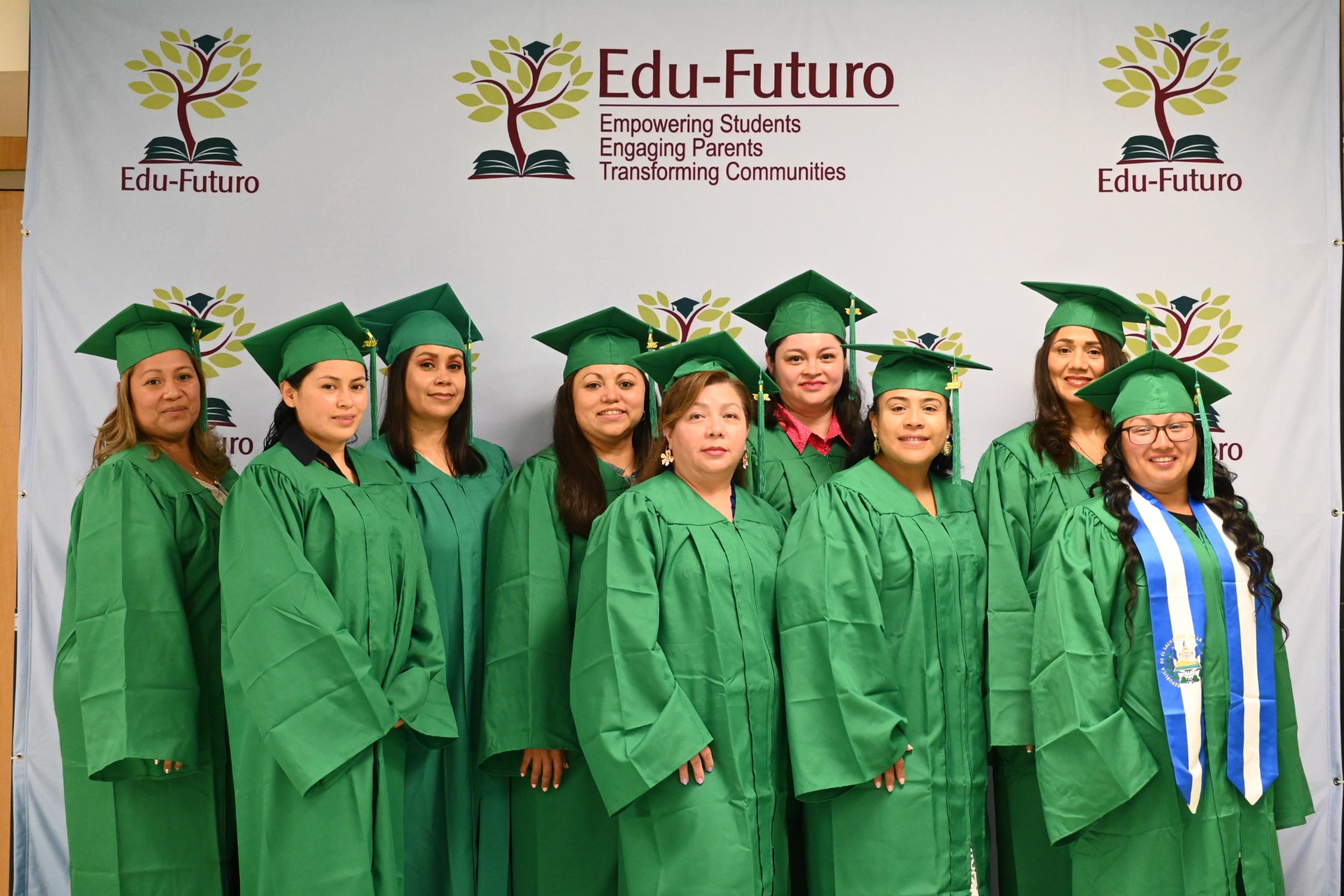
    In the Washington D.C. metropolitan area, EduFuturo has become a beacon of hope, dedicated to empowering the next generation of young people and their families. The program works to close the educational and economic gap, offering a wide range of programs that include leadership, robotics, parent training, workforce development, GED preparation, and university guidance.

    The recent GED graduation day was a clear testament to their students’ commitment. For an entire year, they proved that it is possible to balance their personal lives, work, and studies. Congratulations to their graduates! ddd

  • 2025 GED Conference Highlights
    By GED Author

    Missed the GED Conference? We’ve got the best moments, all in one reel.Feel the energy. See the wins. Get inspired.

    Looking ahead, we’re excited to celebrate National GED Day on September 16. This day honors the achievements of millions of adult learners who’ve taken bold steps toward brighter futures. Stay tuned for more National GED Day Celebrations.

  • Coming Together at the 2025 GED Conference
    By GED Author

    By CT Turner, President, GED Testing Service

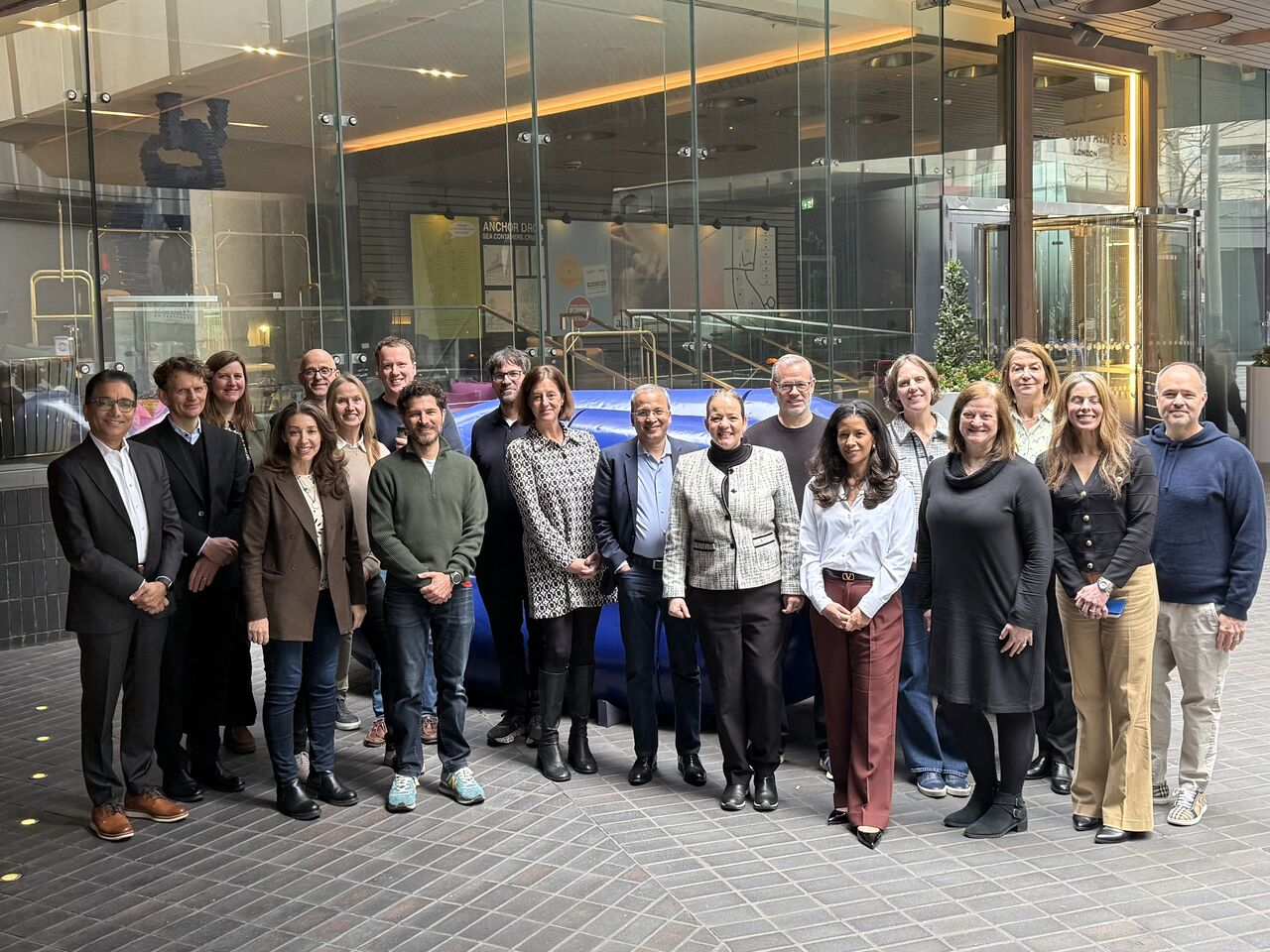
    This year’s GED Conference was nothing short of joyful. Walking through the sessions, hallways, and evening events, I was struck again and again by the energy of a community that cares deeply about learners. The smiles, laughter, and connections reminded me why this gathering is so special—it’s the one time each year when state GED administrators, adult education directors, program leaders, corrections educators, service reps, our own GED team, and valued partners like VUE all come together with a common purpose: to open doors for learners.

    Over three days, we delivered more than 36 sessions—everything from program marketing to accommodations and accessibility, to strategies for supporting diverse learners. We also had important conversations with test administrators and corrections educators, as well as general sessions where we reaffirmed our vision and outlined our promises for the year ahead.

    One of the most unforgettable moments was honoring our GED Graduate Scholarship Award recipients. Watching these graduates walk across the stage, share their stories, and receive recognition for their hard-earned success was deeply moving. Their journeys reminded us that the GED credential is not just about passing a test—it’s about resilience, possibility, and creating new futures. That moment captured the heart of our work.

    Another theme that resonated throughout the conference was AI—not as a buzzword, but as a tool educators are already exploring to personalize learning. AI has the potential to meet learners where they are, adapt to their pace, and remove the fear of asking questions. Imagine a space where learners can practice, stumble, and grow without shame—freeing educators to focus on connection, encouragement, and deeper instruction. That’s the future we’re building.

    In my address, I shared a belief that has only grown stronger after this week: every learner has had someone—an educator, a mentor—who changed their trajectory. Sometimes it’s a painful story of a teacher who left them feeling discouraged. But far more often, it’s the heroic stories: the instructor who stayed after class, the mentor who kept calling when a student wanted to quit, the program director who created opportunities a learner never thought possible. That’s the power of this community.

    Looking ahead, we also talked about the future of work. Equitable access to opportunity—particularly in fields like technology, healthcare, and green energy—is more critical than ever. GED learners deserve a fair shot at these jobs. Our role is to make sure the credential is not just a test, but a bridge to better jobs, stronger families, and thriving communities.

    As I left the conference, I felt both proud and optimistic. Proud of the work already happening in every state, every classroom, every program. And optimistic because I know that together, we’re moving toward a future where learners have more tools, more pathways, and more support than ever before.

    And we’re not done. On September 16, we’ll celebrate National GED Day—a moment to honor the life-changing impact of this credential and the educators who make it possible. I hope you’ll join us in celebrating the learners who remind us why we do this work.

  • Join us at the 2025 COABE Conference in Dallas!
    By GED Author

    We are excited to join the Coalition on Adult Basic Education once more, this year in Dallas. COABE’s mission is to inspire educators so adults succeed, and communities thrive. This closely aligns with the GED Testing Services’ mission of helping adults gain their high school equivalency diploma and improve their lives. Whether the learners’ goal is a new career, college, or climbing the job ladder, our GED program is designed to help students develop the critical thinking skills and self-confidence needed to help them flourish. We share COABE’s goal of enriching the lives of our learners by opening doors and offering innovative prospects.

    This year we are proud to host the 13 expert-led sessions, covering the latest trends, best practices and practical solutions in adult education.

    At GED Testing Service, we seek innovative tools to help our learners and collaborate with partners to serve the changing adult education ecosystem best. Join our GED team of subject matter experts at our numerous concurrent presentations on topics spanning employability goals, adult learning theory and responsive classrooms and more!

    For detailed information and the schedule visit COABE at a Glance. Be sure to check out these GEDTS led sessions and stop by booth #501!

    Monday, March 31

    Building Community Partnerships using Strategies for Engagement and Advocacy8:00-9:10 AMAdora Beard

    What’s New with GED? Let’s Talk “All Things New” with GED8:00-9:10 AMLiz Lanphear & Jonna Forsyth

    Si Se Puede: Aztec’s Complete Continuum of Spanish Resources11:50-1:00 PMRafael “Rafa” Diaz (Aztec) & Scott Salesses

    Insights from GEDWorks and Strategic Partners: Achieving Employability Goals2:00-3:10 PMVanessa MacCullum & Jane Bledsoe

    Tuesday, April 1

    Demystifying the Testing Center Process8:00-9:10 AMNatalie Cummings & Brian Smith

    Aztec and GED Testing Service: The Exclusive Home to Official and Premier GED Success Products11:50-1:00 PMRafa Diaz (Aztec) & Brian Smith

    Creating Inclusive Learning Experience through Strategies11:50-1:00 PMAdora Beard

    The Role of a Mobile App in the GED Journey3:50-5:00 PMRebecca Reynolds & Jane Bledsoe

    Wednesday, April 2

    Getting Students Ready for Re-entry8:00-9:10 AMSusan Pittman

    Let’s Begin by Keeping the End (Goal) in Mind: GED Testing8:00-9:10 AMLiz Lanphear & Jonna Forsyth

    Culturally Responsive Classrooms and the Adult Learning Theory11:20-12:30 PMKellie Blair Hardt & Adora Beard

    GED Program Update for Correctional Educators1:30-2:40 PMScott Salesses

    GED Behind the Numbers3:00-4:10 PMPeter Kataras

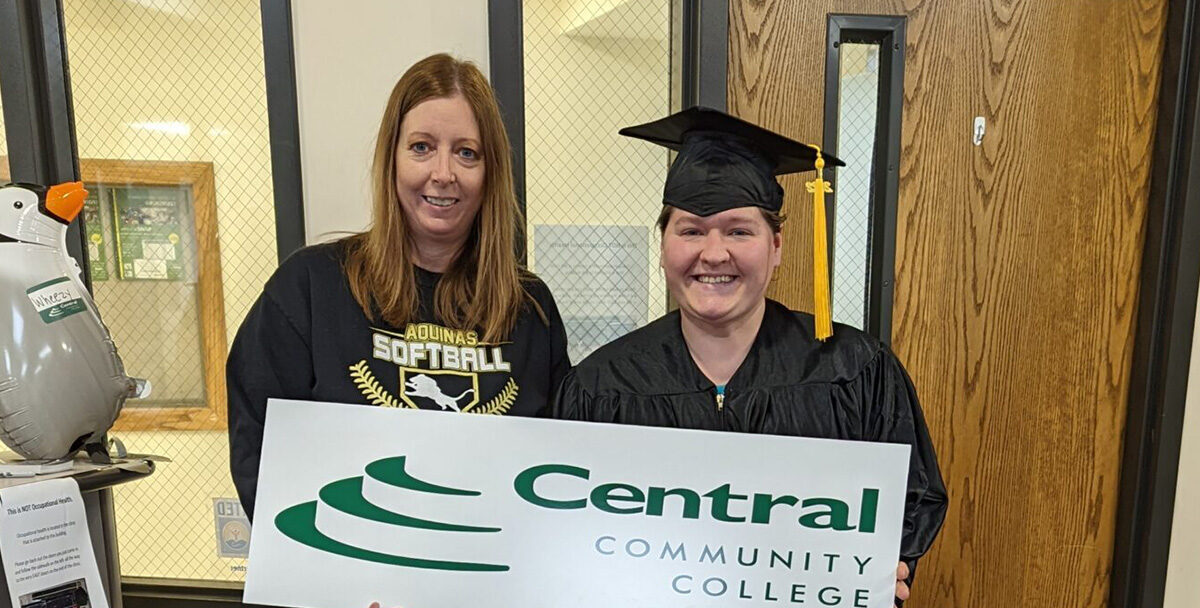
  • Student Success Story: Jessica M from Central Community College in Columbus, Nebraska
    By GED Author

    For Jessica M, getting her GED was super important; she wanted to prove to her kids that even though she made a mistake by leaving high school at a young age, it was still possible to change the future. Achieving her high school credential proved that nothing can stop her from accomplishing long-term goals for her career.

    The GED program was convenient and easy to fit into a busy schedule. Jessica was grateful for another chance at education. Her prep materials were free, and she could attend classes when she had time. Jessica extended a special thank you to the teachers and staff at the Columbus, Nebraska community college location where she studies for the GED test. She shared her positive experience: “They are absolutely amazing people and care genuinely for each individual.”

    Central Community College offers 37 career and technical programs with a focus on degree, diploma and certificate program that require two years of less to complete. The college also offers an academic transfer program for students who want to complete the first two years of a bachelor’s degree before transferring to a four-year college or university.

    Jessica now has her GED diploma in hand, and is planning a career as a pharmaceutical technician. Her goal now is to graduate from college.

  • Meet the State Relationship Managers: dedicated educator and administrator Debi Faucette
    By GED Author

    What three suggestions would you have for new GED Program Administrators or Educators new to GED Testing Service?

    1. First and foremost, read the federal and state laws, regulations, and guidelines pertaining to GED and Adult Education to understand the rules, expectations, and connectivity of the programs. When you begin with a general understanding of the guidelines, you will make quantum leaps in connecting the laws to understanding the daily activities of staff who execute those requirements.
    1. Don’t be afraid to ask questions! Take advantage of the deep and rich human resources in the GED and Adult Education Community. We are in this field because we are passionate about the learners we serve. You will find the us equally passionate to support or lean on others to achieve that goal. Engage and learn by participation in organizations at the national, state, and local level.
    1. Get OUT of the office and as often as possible. Never let the bureaucratic issues bog you down to keep you from interacting with your “North Star,” the adult learner. It will keep you true to your mission!

    Q. What is the most significant change you have seen during your tenure at GEDTS?

    A. Let me begin by saying what has NOT changed in my 30+ year relationship with GED Testing Service: The focus has always been what’s best for the learner. With that, the most significant change I have enjoyed is how GED Testing Service has continued to ask “What’s best for the learner?” and expanded its investment to “What MORE can we do for the learner?” That question permeates every meeting, action, and decision we consider. When I first engaged with GED Testing Service (GEDTS) as State Director, GED Testing Service was all about the test. There was no engagement from GEDTS with the learner before or after the test. I have enjoyed GEDTS’ remarkable accomplishments in partnership with adult education stakeholders to support the learner in their test preparation, testing, and college and career choices after earning a credential.

    Q. Please share one of your most rewarding memories during your time at GEDTS.

    A. It is almost a trick question to be asked to pick one memory from my time at GEDTS! I will have to tell you two. We all know there is no happier, more emotional, more fantastic celebration than to attend an Adult Education Graduation. You understand why we do what we do because you see what it means to the adult learners we serve and their families. I was thrilled that in the first three months of his tenure, our President, Randy Trask, attended his first adult education graduation with me in New Orleans. My second rewarding memory is the privilege of engaging with the passionate, invested adult education community across the United States. I never fail to thank an audience for the privilege of being a part of their work and passion. It is true and not a comment I have ever made lightly.

  • The Future of AI in Higher Education: Predictions from Educators and Industry Experts
    By GED Author

    Artificial Intelligence (AI) is rapidly reshaping the landscape of higher education, offering new opportunities and challenges for institutions, educators, and students alike. From personalized learning experiences to advanced research tools, AI’s potential to revolutionize traditional academic models is immense.

    However, this transformation also raises critical questions about accessibility, ethics, and the evolving roles of educators.

    To better understand the trajectory of AI in higher education, we sought insights from educators and industry experts. Their predictions provide a glimpse into a future where AI could redefine how knowledge is delivered, acquired, and applied. This article explores their visions, highlighting the innovations they foresee, the hurdles they anticipate, and the strategies they recommend for integrating AI responsibly and effectively into academic settings.

    Matt Abbott, Professor, Des Moines Area Community College

    “Similar to the initial opposition decades ago to calculator use in schools, the resistance to generative AI by educators will transition into acceptance as responsible use of AI in textbooks and the classroom becomes the norm. With appropriate guard rails in place, AI will be an important tool for helping students learn.”

    Tiago Costa, Cloud and AI Architect, Microsoft

    What major shifts do you see shaping the future of science education in 2025?

    The year 2025 is set to transform science education by implementing AI-driven learning platforms. These platforms will dynamically adjust to the student’s interests and learning paces, enhancing accessibility and inclusivity in education. Additionally, virtual labs and simulations will rise, enabling students to experiment with concepts without geographical constraints. This evolution will make high-quality STEM education more universally accessible.

    With the progress of AI, human expertise will shift toward domains requiring creativity, ethical decision-making, and emotional intelligence. In the realms of AI and cloud technologies, humans will still play a critical role in designing, managing, and interpreting these systems. Artificial intelligence aims to augment human capabilities by automating routine tasks and providing deep insights. Nonetheless, human oversight will remain crucial to guarantee responsible and ethical use. The future is poised for a cooperative relationship where humans and machines address more complex issues together.

    Nivaldo Tro, Chemistry author

    What major shifts do you see shaping the future of science education in 2025? AI will make personalized learning even better than it is. However, we already have personalized learning in place with other digital technologies, many of which Pearson provides. So we will probably see some gains, but they will be marginal.

    How do you see AI transforming the way people learn and develop skills over the next 3-5 years?

    AI will give every student a personal tutor. This tutor will be able to answer questions and guide the student through solving problems. But again, we kind of have that already with tools we have developed over the last few years. Think of how mastering or the interactives that we have created guide students through problems. So again, I think we might see some gains, but I have yet to be convinced on this one.

  • President’s Corner: A Successful 2024 Thanks to You!
    By GED Author

    We thank our educators and administrators for their support of the GED and for empowering their learners to pursue better opportunities through education. We appreciate West Virginia’s choice to offer GED testing exclusively and Utah’s approval of the GED Option Program in the state.

    • GED & MeTM Mobile App – Launched in June 2024, 100,000 downloads by year-end. Plus, 85% of those who downloaded the App have logged in and used it.
    • GED Unplugged podcast – From the GED to a PhD to the Board of Directors was the most watched episode of the year with 1,075 views
    • ‘GED practice test’ was the top-searched term in 2024, showing that students are eager to succeed.

    Year-end is also the time for the #GEDWrapped! Let’s celebrate the milestones and the incredible impact you’ve had on your students’ journeys. Whether in the classroom or through encouragement, your role in supporting students’ dreams is vital to their success and has inspired them toward their GED goals. What’s your #GEDWrapped highlight this year? Share your top moments and let’s continue shaping bright futures together! Some of the highlights include:

    • 148,000 students successfully credentialed in 2024,
    • Social Studies was the most-passed subject
    • GED Ready was the most popular study tool of the year.

    For more information on #GEDWrapped for Educators or #GEDWrapped

  • Inside GED Testing Service: Your Ambassadors to the GED: State  Relationship Managers
    By GED Author

    Strengthening Educational Access: The GED Testing Service State Relationship Manager Team

    The GED Testing Service, since its origins in 1941, has been dedicated to breaking down barriers to education and ensuring that every individual has the opportunity to achieve their high school equivalency diploma. A vital element in advancing this mission is our State Relationship Manager (SRM) team, designed to foster collaboration between the GED Testing Service and state education agencies, community organizations, and other stakeholders.

    The SRM team serves as a bridge, facilitating communication and cooperation to enhance the accessibility and administration of the GED test and related resources to educators and program administrators. Each state is assigned a dedicated Relationship Manager who acts as the primary point of contact, providing tailored support and guidance to meet the unique needs of each state’s educational landscape.

    One of the primary goals of the SRM team is to understand and address the challenges that various states face in delivering GED services. By engaging directly with state officials and community leaders, Relationship Managers can identify specific barriers to access, whether they be logistical, financial, or informational. This understanding allows us to develop targeted strategies that enhance program delivery and ensure that individuals in every community have the resources they need to succeed.

    Through the SRM Team, we also promote best practices and share innovative approaches that have proven effective in various states. By creating a platform for the exchange of ideas and experiences, we enable states to learn from one another and implement successful initiatives. This collaborative environment fosters a sense of community among states, encouraging them to work together in the pursuit of common goals.

    Furthermore, the SRM Program is instrumental in increasing awareness of the GED test and its importance. Relationship Managers engage in outreach efforts, hosting workshops, webinars, and conferences to educate stakeholders about the benefits of obtaining a GED credential. These efforts help to demystify the testing process and motivate individuals to take the next step toward their educational and career aspirations.

    In addition to fostering collaboration and increasing awareness, the SRM Program also focuses on data-driven decision-making. By leveraging data analytics, Relationship Managers can assess the effectiveness of programs and initiatives, making informed adjustments to enhance outcomes. This commitment to continuous improvement ensures that our services remain relevant and impactful.

    In conclusion, the GED Testing Service State Relationship Manager Program plays a crucial role in expanding educational access and support for GED candidates across the nation. By building strong relationships with state agencies and community organizations, we are better equipped to understand and address the challenges faced by individuals pursuing their high school equivalency diploma. As we continue to invest in this program, we remain steadfast in our mission to empower learners and promote educational equity for all.

  • Celebrating Thanksgiving in our community of educators and learners
    By GED Author

    As we approach this season of Thanksgiving, we take a moment to reflect on the many blessings in our lives. This time of year, reminds us to express our gratitude, and today, we want to extend a special thank you to our educators who inspire, guide, and uplift our students daily. We also want to express our gratitude to program administrators for their roles in making programs possible to support and encourage our learners on their path to self-improvement.

    Educators play a pivotal role in shaping the future. They cultivate curiosity, ignite passion for learning, and support our students to reach their fullest potential. Their dedication goes beyond the classroom; they invest their time, energy, and heart into nurturing the minds and spirits of our adult learners.

    As we gather with family and friends to celebrate, let us remember our educators’ profound impact on their lives. Each lesson taught, encouragement, and challenge faced together is a testament to their unwavering commitment to student success.

    This Thanksgiving, let us express our heartfelt appreciation for all the teachers, mentors, and staff dedicated to creating a brighter future for our students. Your efforts do not go unnoticed, and we are deeply thankful for your passion and perseverance.

  • GED & Me mobile app: A milestone in accessibility and engagement
    By GED Author

    Impressive usage results from the GED & Me™ mobile app in its first few months since launch – over 75,000 app downloads so far

    GED & Me™, the official GED mobile app was launched in June 2024. The app features were designed for an individual learner who can benefit from the structure and motivational reminders that the App provides.

    As of mid November, the GED & Me app has reached a significant milestone in mobile application usage. With a remarkable total of more than 75,000 downloads, the app has proven to be a popular resource for individuals eager to pursue their educational goals.

    The app has attracted more than 64,000 sign-ups, reflecting a strong interest in its resources and support. This translates to an impressive 85% conversion rate, indicating that those who downloaded the app are interested and motivated to engage with its features. This high engagement rate demonstrates the growing demand for digital tools that assist in educational pursuits.

    Once users have signed up, they have shown a commendable commitment to their learning journey. A striking 95% of users completed the onboarding process designed to capture their goals related to their GED credential, and show them profiles of learners like them. This seamless onboarding experience is crucial, as it sets the foundation for users to maximize the app’s potential in their GED preparation.

    User engagement statistics reveal that 45% of users are actively engaging with the app’s practice content. This highlights an opportunity for us to enhance user experience with more and different kinds of practice content Learners have asked for more video content, for instance. In addition, we intend to improve the engagement rate with features such as targeted notifications, personalized practice recommendations, and interactive learning modules.

  • Pearson focuses on the future, releases first USA Skills Outlook Map
    By GED Author

    On October 21, Pearson, the world’s lifelong learning company, launched the Skills Map of the United States, an in-depth analysis of the American job market through 2028. The report projects that 1.9 million new jobs will be created through 2028, even as automation, AI, and demographic shifts reshape the job market. Based on an extensive review of 85 million U.S. job ads, economic and labor market data, the Skills Map offers critical insights to help businesses, policymakers and individuals prepare for the future of work.

    Vicki Greene, President of GED Testing Service, stated, “As baby boomers retire, they are creating a seismic shift in the workforce that’s forcing CEOs and CHROs to rethink their talent strategies. Our Skills Map reveals the growing gaps in the workforce and highlights the importance of upskilling experienced professionals while providing opportunities for Gen Z to step into key roles. With an aging population, leaders must address these challenges to keep businesses competitive and ensure the next generation is prepared to fill critical positions.”

    The Skills Map U.S. focuses on the “Three A’s”—automation, AI and an aging population—as key drivers of change. It emphasizes that, despite causing disruption, these forces will create new opportunities for different jobs and emerging skills.

    Key findings include:

    • Technology expertise will be in high demand across all sectors. Roles such as Systems Software Engineers, Information Systems Managers and Computer Programmers will grow by 15.4%, adding nearly 320,000 jobs.
    • The definition of tech jobs is expanding. As businesses integrate advanced technologies, all jobs are becoming “tech jobs” in one way or another.
    • Human skills remain essential. Skills like communication, problem-solving and teamwork are increasingly valued, particularly in roles that involve caregiving or physical tasks that automation cannot replace.
    • Upskilling and reskilling will be critical to prepare workers for the future. As industries evolve, education services will play a key role in imparting both technical and human skills to the workforce.

    The Skills Map U.S. leverages Pearson’s advanced predictive analytics and proprietary Skills Outlook data to forecast job market changes. The inaugural report provides insights into national trends and the states of California, Florida, Michigan, New York and Texas.

    Visit the Pearson Skills Map U.S. website or download the full Skills Map report to learn more.

In Session Educator Newsletter