• Recap: GEDTS Sessions at the 2020 COABE Conference
    By GED Author

    GED Testing Service offered a number of professional development and information sessions during the 2020 COABE Virtual Conference.

    During this year’s virtual event, held June 29-30, July 1-2 and July 6-9, we also sponsored an exhibit booth to ‘meet and greet’ with conference participants and answer questions related to the GED test program and related resources.

    Our conference session highlights are listed below:

    • Best Practices for GED Corrections Test Administrators
    • Accommodations Update
    • Writing Effective Extended Responses on the GED® RLA Test – It’s All About the Claim!
    • Marketing, PR and Outreach for Adult Ed Programs
    • Helping Students Transition from ABE to GED Instruction – Starting Where Students are and Moving Them Forward
    • GED Tools and Essentials for New Educators, Program Directors and Test Proctors
    • Using Algebra Tiles in the ABE and GED Classrooms
    • Yes, There are Spanish Resources for the GED Classroom
    • Protecting Your Program and Students; Understanding How to Influence and Educate State Legislators and Policymakers
    • All About the Online Proctored GED Test
    • Pick Up that Smart Phone and Learn!
    • Improving GED Pass Rates; New Products, Tools and Resources to Help Students Succeed

    Thank you to all conference participants who attended our virtual sessions and visited our booth. We look forward to see you all online and in-person soon!

  • Recent Updates to the Online Proctored GED Test
    By GED Author

    Since the launch of the Online Proctored (O.P.) GED test pilot in late May more than 1,700 GED tests have been taken remotely.

    Over the course of the pilot we have received feedback from test takers that has provided insight on how to improve the testing experience. Below we’ve outlined one of the updates coming to the O.P. testing experience.

    Whiteboard and Scratch Pad Tools

    Beginning in late July, an onscreen whiteboard option will be available to test takers in addition to the scratch pad tool. Due to test security reasons, students cannot use physical scratch paper or dry erase boards during test sessions and instead must use these tools for notetaking and math work. With the whiteboard students can:

    • Copy/paste exam questions into the whiteboard text box so they can see them while they work
    • Draw different shapes and lines as needed
    • Pan across the whiteboard, zooming in and out to use different areas to do the work on the same whiteboard screen
    • Erase or clear to start something new: the work will be accessible in every section during the entire exam
    • Resize or move the whiteboard around the screen
  • Tracking KET FastForward Hours through Student Accounts
    By GED Author

    Hours tracked in the FastForward program can be used for “contact hours” per the latest OCTAE guidance.

    When students are logged in their account they can go into their “gradebook”. From there they will see “All Courses Cumulative Time on Task: xxxxx” or they can filter by subject to see how much time they spent on each subject.

  • Testing Update: New Information about the Online Proctored GED Test Pilot
    By GED Author

    The Online Proctored GED Test pilot program has launched and students are actively registering for test dates and taking their GED test subjects from home.

    In our recent follow-up webinar, we shared additional information about the pilot and how educators can help prepare their students for this testing option.

    In the second webinar we also share the following:

    • Timing and revised phases
    • States by pilot phases
    • Additional resources
    • Visual overview of the eligible student experience

    Our GED.com webpage also includes the first webinar with links to a full system check, slide decks for each presentation, a list of states by pilot phases and a test policy fact sheet.

    We recently published an article for students to answer some frequently asked questions and to share an overview of this pilot program including eligibility and testing requirements. Students can also view a short video that shares this information and what to expect on test day.

  • GED Ready 50% Off Promotion
    By GED Author

    Now through June 30th, the GED Ready practice test is 50% off — that’s only $3 per subject.

    By taking the GED Ready practice test, students will get to know how questions will look and sound on the real test. They will also receive a custom study plan to improve specific skills. GED Ready can be taken one subject at a time or all four in a row.

    When students score green on GED Ready, that means they are likely to pass the real test. In-person testing centers are starting to open soon for scheduling through the student account at GED.com.

    The first phase of the GED online proctored test pilot has started and we recently published this article to share this information with students. As you may know part of the eligibility requirements for students is to have a GED Ready “Green” score within the past 60 days.

    Please encourage your students to take advantage of this opportunity to better prepare for the online testing process.

  • GED Grad Day 2020 Recap
    By GED Author

    Thank you for helping us celebrate GED graduates and their achievements during this year’s event on May 14th.

    We know this year was unique for many graduates and educators as graduations across the country were canceled or postponed due to the COVID-19 pandemic. It is our goal every year to make sure GED graduates know how important they are and have a community of support and encouragement as they take their next steps.

    This year we debuted a graduation video that shared congratulatory messages from adult educators and student success stories personally submitted by GED graduates. The video’s “keynote speaker,” Dr. Kira Burt shared how the GED credential was the first step to her becoming a PhD graduate, physicist and college professor. The video was well received with over 110,000 views.

    We had nearly 7,600 attendees RSVP and participate in the celebration via our Facebook event page. We had 20,000 views of the GED Grad Day Facebook event page leading up to and the day of the event. Over 1,000 posts were shared on Facebook using the hashtag #GEDGradDay.

    Thank you for making this event a success! We look forward to celebrating again next year. You can nominate your recent graduates for our GED Graduate of the Month competition each month by following us on Facebook.

  • Join the Celebration! GED Grad Day is May 14th
    By GED Author

    Tomorrow’s the big day! Join us as we celebrate the accomplishments of GED graduates around the world during a virtual celebration.

    We’re asking you to help us by posting congratulatory messages and success stories on Facebook and Twitter with the hashtag #GEDGradDay. If you didn’t have a chance to submit your videos to us you can still share them online.

    You should also RSVP for this year’s event on Facebook where we will be sharing messages and videos all day to highlight the life-changing impact of the GED credential while celebrating the hard work of all of our graduates.

    This year we’re asking graduates to share “what’s next” now that they’ve earned their GED or share what they pursued once they became a GED graduate. We know the GED is often the first step to entering a college or certificate program and the career of their dreams and we’re excited to share their success with others.

    In the spirit of celebrating the endless possibilities of GED graduates, we’re debuting a commencement video that shares the story of Dr. Kira Burt, a physicist and professor who is a proud GED and PhD graduate. The video will also feature messages from adult educators and GED Testing Service, as well as success stories from graduates.

    Be sure to RSVP to our Facebook event and we’ll see you online tomorrow for #GEDGradDay!

  • Testing Update: Online Proctored GED® Test Pilot
    By GED Author

    The COVID-19 pandemic has had an impact on every aspect of our lives including how we support students as they pursue their GED credentials. Through the Online Proctored GED Test pilot, students that meet a certain criteria will be able to participate in remote testing in selected states.

    For the past few months GED Testing Service has been discussing new potential testing options with state adult ed directors, GED Administrators and OCTAE. Online proctoring is an option that will help meet the needs of many testers, and provide an alternative to testing in a physical test center. The Online Proctored GED Test pilot will utilize trained, third-party proctoring and will include built-in artificial intelligence (AI) features for additional test security.

    We just released a webinar recording where we have provided information about the new pilot. It includes high-level information and timelines for the pilot, student eligibility info, specific operations and policies that will be different than it is for testing in a physical test center, and additional resources that we think will be helpful to you. The full webinar and slides are available here: https://ged.com/educators_admins/test_admin/

    Here are some of the highlights from the recording that address frequently asked questions:

    Is the Online Proctored GED test different?

    No, it is the same GED test content delivered online, continually monitored by a third-party, trained proctor. **We are not abandoning the traditional in-person test center model–this option will provide more access to those ready to test or have had cancelled appointments.**

    Who is administering the test?

    GED Testing Service is contracting with OnVUE to deliver the Online Proctored GED exams.

    When will the pilot begin?

    The pilot is anticipated to launch later in the week of May 18th or the week of May 25th. It will be multi-phased, and is expected to wrap up near the end of July.

    What students are eligible?

    States will determine if their residents may participate in the pilot, but so far there has been wide agreement that this option is necessary to help students during this difficult time. During the pilot only those 18 and older will be eligible.

    Eligibility will be determined by Phase. Priorities/first invitations will go out to students in four categories:

    • Cancelled appointments
    • 3 of 4 test subjects passed
    • GED Ready “Green” score on a subject test within the past 60 days
    • State’s essential cases

    Students in all residency-required states will sign off on language affirming residency; however the OnVUE ID checks process will require some states to implement manual residency checks before approving students for invitation.

    A GED Ready ”Green” score is required to schedule an online proctored exam. **There are additional policies for the pilot that will differ from current/traditional computer-based testing (CBT) policies.**

    How will eligible students be notified?

    Students who are eligible will be sent an email with instructions on how to register and schedule an online proctored GED test. They will also receive an alert in their GED.com student account.

    How much will this cost and what are the associated fees?

    The cost of the test during the online proctored pilot will mirror current fees. Fees for test center compensation will support online proctoring. Note that there may be some differences in states with little or no test center compensation built in (e.g. New Mexico, Nevada, North Carolina, Wyoming).

    Why is the pilot approach being used?

    • Timeliness – intense pressure to have an option available as soon as possible
    • We do not know the appetite for participation & how students will react to online proctoring
    • Requires a laptop or computer with a camera/microphone and stable internet connection
    • Requires a closed, private/quiet room

    Online Proctored GED Test Pilot Timing and Schedule:

    Phase 1– Feedback [duration ~7-10 days] 5 states (CA, GA, OR, TX, WI)

    • Only students with cancelled appointments who also have a GED Ready “Green” score within 60 days
    • Final system tests and gathering data and information from system and students

    Phase 2 – invite eligible students in participating states with no residency queue

    • Cancelled appointments 3 of 4 tests passed GED Ready “Green”
    • State’s essential cases

    Phase 3 – invite newly eligible students

    • New GED Ready “Green” students in non-queue states invited regularly (GED Ready “Green” within 60 days required)

    Phase 4 – invite newly eligible students in manual residency approval queue required states

    • Queue is estimated to be built and ready for use between June 9-18

    End of Pilot

    Please review the webinar or the related slides to learn more about online proctored testing policies, find resources, and understand how you can help your eligible students prepare and participate.

  • Free Online GED Learning Program for Students
    By GED Author

    We’ve partnered with Kentucky Educational Television (KET) to offer free online GED preparation for all test subjects through June 30.

    Students will have free access to the FastForward online learning program for remote studying during COVID-19. This promotion is being offered to help students who are or have been unable to attend classes.

    The study system, normally priced at $129, is free to all students with a GED.com account. To obtain access to FastForward students only need to provide a name and email address—no credit card is required.

    The FastForward learning system is mobile-friendly and allows learners to access the lessons on a smartphone, tablet, or computer—anytime, anywhere they have an internet connection.

    Additional program highlights include:

    • Pretests students take at the beginning generate a study plan to help them skip what they already know and get right to the units they need most
    • Interactive lessons and videos with instruction across all four subjects and all GED test question types
    • Plenty of tips and practice throughout the program
    • Outreach by the GED team to offer guidance and support along the way

    More information about this promotion can be found here: ged.com/study/ket-fastforward/

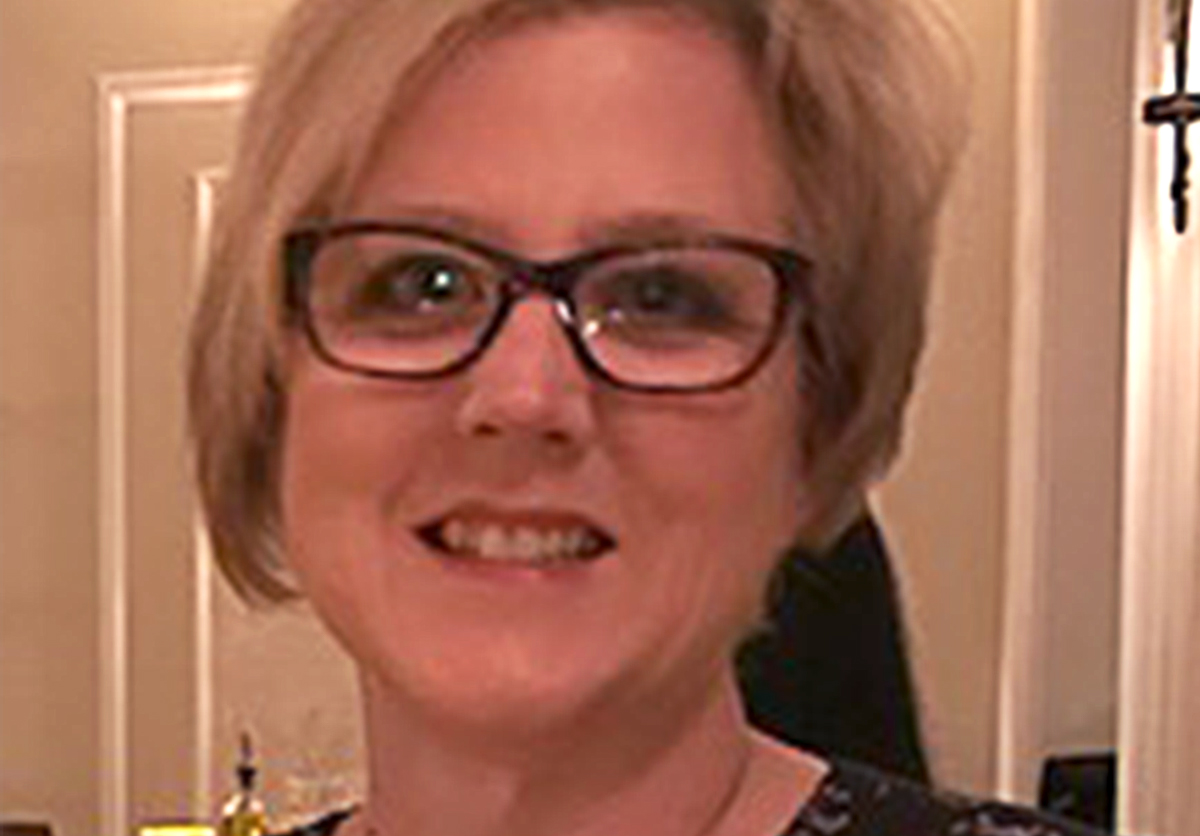
  • Educator Spotlight: Terri Brown, Ohio Corrections
    By GED Author

    Terri Brown, an education team leader in Ohio Corrections, shares how she’s keeping her students motivated and on track with GED preparation.

    What is your official title and could you tell me more about your role with Ohio Corrections?

    I am an education team leader and I am responsible for developing and coordinating the GED program. In this role, as a part of the Miami Valley Career Technology Center Adult Education Department, Ohio’s Aspire program, I coordinate the corrections component. This includes a short-term program called STOP (Secure Transitional Offender Program) through Montgomery County and two Greene County corrections programs, the jail and Adult Detention Center.

    How do you work with corrections education programs, educators and test administrators?

    I personally work with an amazing staff, their only exposure to GED testing has been in the corrections environment. Our students are in locked facilities and come to class with limited resources including no access to the Internet. We develop classroom curriculum for the teachers–this is with the use of books and print materials.

    I do not teach directly, due to my role as the GED test administrator role. We have a full-time and part-time teacher for men and one full-time teacher for women. We have close to 275 beds in the facility and all residents that come in take a TABE test and start GED classes if they do not have a high school diploma.

    I am a GED test administrator for men and women in the facility and I use a classroom as the testing area. Through Miami Valley CTC, we are beginning to do mobile testing in the Greene County centers, but the COVID19 stopped us before we could begin.

    Could you tell me more about your background in corrections education and education in general?

    When I was in college I was an intern with community restitution and community service program in juvenile criminal court. I earned a Bachelors Degree in Social Work and later a Master’s Degree in Education. After graduation, I continued to work in the community as an educator, an advocate for victims of violent crime as well as taught in a high school for 10 years.

    Approximately ten years ago, I started teaching part-time in this role with corrections prior to transitioning into a full-time position.

    What do you think are the biggest challenges facing corrections educators and corrections education programs?

    Some of our biggest challenges are the lack of classroom materials, scheduling conflicts and dealing with distractions. We have to create a lot of things we use. My instructors have had success using Scholastic magazines as a supplement–the students really like the current articles and the visual elements and the supplemental worksheets.

    We do have issues with some of the older students that are not computer literate. The GED test highlights how important it is to have computer skills. We provide our students with the opportunity to work on increasing their comfort and skill using a computer.

    Getting them scheduled for classes can be challenging, because their treatment classes have priority and can be very challenging for them. We also have seen an increase in students dealing with mental health issues that were masked by addiction when they were not incarcerated. The ultimate challenge for us is to provide them with the opportunity to believe in themselves and have hope they can achieve their GED. Many of our students are getting over being accustomed to failing in school and we want to give them small opportunities to succeed. When they obtain their GED, I make a reduced copy of their GED, the size of their badge, and they carry this around as motivation and evidence that they have the power to overcome.

    There is not a lot of funding for corrections education, I have to fight hard to do some of the things we do but I have always been a fighter for the underdog. My teachers are very dedicated–one has been teaching for 14 years and another for three years. I also have an instructor that is working on a PhD in criminal justice.

    What additional challenges are you facing with the COVID-19 pandemic?

    To meet social distancing requirements we can only take in students every two weeks and we have to isolate them for 14 days which will they show that they are symptom-free. Prior to COVID-19 we did TABE testing weekly for new students and now we do it every 14 days.

    Our students are still interested in testing and having the option to test is the “carrot dangling” that keeps them motivated. I have been moving to a mobile testing site to further accommodate social distancing within corrections.

    What do you enjoy most about working in corrections education?

    I love seeing the students learn something new. When they succeed you see how important earning their GED is to them. I’ve had grown men crying with happiness and a 68 year-old woman emotional and happy.

    We take their picture with a cap and gown when they graduate and earn their credential.

    When I see ‘my people’ (that’s what I call my former students) and they are out and about and they’re working, they often say hello and tell me that they’re doing well.

    What is your advice to fellow corrections educators and administrators?

    Please take the GED Ready practice test. All my staff take a practice test each month as part of their required yearly training. This helps them understand the pressures of testing and they then can incorporate test anxiety coping skills into their lessons. It also helps them see what they should be teaching.

    Our focus is building lifelong learners and teaching them to be inquisitive. Our students often need time to readjust and switch their mindset. I had a student tell an instructor that she taught him to be hopeful and that he can be different and dream differently.

    I think it’s important for us to also share our stories of success and challenges and how we overcame obstacles. We should also be vocal about what our challenges are as corrections educators and share that with others.
  • President’s Message: Embracing Community Support and Partnerships During COVID-19
    By GED Author

    Never could we have thought that the world as we know it would change so drastically—we are living in a time that is uncertain on many fronts.

    We empathize with all of you that have been directly impacted by COVID-19 and we hope you, and your family and friends, continue to remain healthy and safe.

    We would also like to thank and recognize each of you that have been dedicated, available and focused on continuing to support the millions of adult learners that need your guidance and assistance as they navigate learning during this challenging time.

    While we find ways to prepare for what lies ahead, GED Testing Service maintains our commitment to the health and wellness of our employees and their families, our educators and our students. It is our priority to offer study tools and resources that help with this transition to learning during social distancing.

    Through partnerships with publishers, we have been able to offer free materials to ensure that students have the opportunity to use this time to prepare themselves for the next steps in their education or career. More broadly, our team has worked to make sure that online study options and mobile-friendly tools are easier to find through curated and frequently updated resource pages. In addition, we are actively finalizing a partnership that would allow us to offer free on-demand courses in all four subject areas covered by the GED test to any student with online access through a laptop, tablet or smartphone.

    One of the biggest challenges we have faced has been how to make sure students have the opportunity to take their GED test. Due to states mandating shelter in place or stay at home orders, many testing centers are closed and others are operating on a very limited basis. This presents an obstacle that we understand can discourage even the most determined and dedicated students. We are working diligently to create a testing option that would allow students to take their official GED test subjects through online proctoring in remote locations. This would help move some of our GED students that are ready to test closer to their goal during this time. We will continue to explore this option with full consideration of the security measures needed to protect the integrity of the GED credential.

    In the midst of so much heartache and difficulty, we continue to be inspired and uplifted by stories of courage, community and compassion. We know that many GED students and graduates are working on the frontlines of this crisis in a number of vital roles that are keeping us safe, healthy and provided with our essential needs.

    The GED community is one of resilience and perseverance and together we can continue to make a difference. And now more than ever we recognize the power and responsibility we have to uplift others through education. Please stay connected and let us know what we can do to further support you and your learners.

    We wish you continued health and wellness.

    –Vicki Greene, President of GED Testing Service

In Session Educator Newsletter