
• What’s Your Learning Style? Discover the Best Approach to Studying Based on 7 Effective Learning Styles

    By GED Author

    Our recent partnership with WithYouWithMe (WYWM), a social impact tech company, explores a new initiative aimed at improving student learning outcomes. The objective is to support learners by providing insights into each individual’s unique personal learning styles and provide the GED® tools to facilitate learning. Knowing your learning style is very helpful for studying and passing the GED test! Fun fact: 50% of candidates who take advantage of discovering their personal learning styles have already taken a single GED test, meaning it’s never too late to learn about your learning style!

    Every student has a unique way of processing, internalizing, and remembering information, which is why taking the free Learning Preference Assessment is an important step. Below is a breakdown of each learning style and the recommended GED study tool(s) to help facilitate learning:

    1. Visual (Spatial) Learning:

    Visual learners are individuals who favor using images, photographs, or other visual aids to understand and remember information. They are adept at processing and retaining knowledge when presented in a visual format. Charts, diagrams, and videos are examples of materials that resonate with visual learners. We recommend GED FlashTM for visual learners to explore thousands of interactive GED practice questions.

    2. Kinaesthetic (Physical) Learning:

    Kinaesthetic learners are hands-on individuals who prefer using their body and sense of touch to learn. For them, learning is an active process, and they grasp concepts best by doing and feeling. They often excel in tasks that require physical coordination and sensory engagement, which is we recommend Scoreboost Workbooks for kinaesthetic learners

    3. Auditory (Musical) Learning:

    Auditory learners rely on sound and music as their primary learning tools. They find it easier to absorb information through listening – whether it’s a lecture, a conversation, or recorded content. Learners often have a habit of verbalizing what they’re trying to remember, using spoken language to reinforce their memory and understanding! GED LiveTM is a great study tool for individuals who prefer auditory learning.

    4. Interpersonal (Social) Learning:

    Interpersonal learners thrive in social settings and benefit from interacting with others to learn. They are effective communicators and excel in group discussions, collaborations, and cooperative projects. These individuals learn not only from verbal communication but also from non-verbal cues such as body language and facial expressions. If this learning style resonates with you, then check out GED Live and start interacting with likeminded students and learn from expert teachers in online classes!

    5. Intrapersonal (Solitary) Learning:

    Intrapersonal learners prefer to work independently, finding their optimal learning environment in solitude. They are introspective and able to concentrate deeply when free from external distractions. If that sounds like you, grab a GED study book and find a quiet place to work through concepts independently.

    6. Verbal (Linguistic) Learning:

    Verbal learners favor the use of words, both in speech and writing as their primary learning method. These individuals have a strong inclination towards language-based learning, and often rely on techniques such as mnemonics and reciting information to reinforce their understanding. Learn as you go by navigating through Scoreboost Workbooks.

    7. Logical (Mathematical) Learning:

    Logical learners are individuals who lean towards logical reasoning, systems, and patterns to absorb information. These learners appreciate structured, well-organized information and often excel in subjects that involve logical reasoning, mathematics, and problem-solving. We recommend browsing through GED+TM, an all-inclusive GED prep program to help you pass your GED test. GED+ is especially popular for the math subject of the GED test, as you’ll notice in several of these grad success stories.

    Our collaboration with WYWM marks a significant stride in enhancing student learning outcomes. We aim to empower learners with insights into their unique learning styles, providing them with the right tools to excel in their GED preparations. Understanding one’s learning style is a pivotal step towards GED success, and we’re thrilled to offer this assessment for free to all students through their student portal. Simply login to your student account, navigate to the Study tab, and take the Learning Preferences Assessment. Remember, it’s never too late to discover your learning style and enhance your GED journey!

  • Life After Getting Your GED: Exploring Opportunities for Education and Career Development

    By GED Author

    The General Education Development (GED) diploma is a valuable credential that can open doors to various education and career opportunities. Achieving your GED is a significant milestone! In this blog, we will explore some of the opportunities that are available to GED holders, including pursuing higher education, improving job prospects, and personal growth.

    Pursuing Higher Education

    One of the most notable benefits of obtaining a GED is the opportunity to pursue higher education. As a GED holder, you can apply to community colleges, technical schools, and universities to earn a college degree or pursue vocational training. Many colleges and universities even have specific programs designed for GED holders that provide additional support and resources to help you succeed. These programs often include academic advising, tutoring, and career services.

    Additionally, GED holders can apply for financial aid, such as grants, scholarships and loans, to help pay for higher education. The Free Application for Federal Student Aid (FAFSA) is the primary form used to determine eligibility for federal financial aid; many states and colleges also use it to determine eligibility for state and institutional aid. By pursuing higher education, you can increase knowledge and gain skills that lead to new career opportunities.

    Improving Job Prospects

    Another benefit of obtaining a GED is the opportunity to improve job prospects. As a GED holder, you can apply to job opportunities in various fields, such as retail, hospitality, healthcare, construction, manufacturing and more. Many employers require a high school diploma or equivalent for entry-level positions and a GED can provide the necessary credential to meet this requirement.

    You can improve your job prospects further by acquiring additional certifications or training in a particular field. For example, a GED holder interested in the healthcare field could obtain a Certified Nursing Assistant (CNA) certification to qualify for a broader range of healthcare jobs. You could also consider apprenticeships or internships to gain hands-on experience in a particular field and develop new skills.

    Personal Growth

    Earning your GED can provide opportunities for personal growth, development, and giving back to the community. Pursuing personal goals such as traveling, volunteering for a cause, or pursuing a hobby can help develop new skills, build confidence, and gain a sense of fulfillment.

    GED Badges by Credly

    One great way to demonstrate your success on the GED test is through GED digital badges available through Credly. The digital badges can be shared online as proof of certification. Learners who post their badges make it easy and simple for employers to verify their accomplishments and learn more about their competencies. Posting badges also helps set you apart from other students and job seekers by showcasing top skills.

    In conclusion, obtaining a GED is an essential step towards further education and career development. With the GED, you have plenty of opportunities to pursue higher education, grow in your career, develop new skills, and showcase GED digital badges by Credly. There are many ways to advance in education and career goals.

  • Celebrate Your GED Grad Day Your Way!

    By GED Author

    With GED Grad Day coming up on May 12th, you must be excited about celebrating your success and sharing inspiration with other students. Since it’s not a traditional, in-person graduation celebration, we have plenty of ideas for creating a party atmosphere 100% online. Maybe at home, you’re taking a hybrid approach with some friends and family in person and others on screens. Read on for creative ways to celebrate your GED achievement with your friends and family near and far.

    Planning an Online Graduation Ceremony

    Getting your GED is a huge accomplishment! The next step is to plan your ceremony for GED Grad Day 2023. You can invite your loved ones to join you in-person or virtually using video conferencing software such as Zoom. Here are some tips for planning a successful online graduation ceremony:

    • Create a schedule: Plan out the order of events for your graduation ceremony, such as speeches, award presentations, and the turning of the tassel.
    • Practice with your technology: Make sure you test your internet connection and video conferencing software before the ceremony to avoid any technical difficulties.
    • Graduation caps & gowns: Just because you’re celebrating in a non-traditional setting doesn’t mean you can’t dress up in your graduation attire! Wear your cap and gown or other formal wear to make the occasion feel more special.
    • Share a graduation program/agenda: Create a virtual graduation program that you can share with your guests. This can include the schedule of events, a list of graduates, and other information about your graduation.
    • Take pictures: Screencaps are a fun way to capture everyone’s smiles and remember this special day.

    Hosting a Graduation Party

    After your GED Grad Day ceremony, it’s time to think about ways to host a graduation party! Here are some ideas for hosting a virtual and/or in-person party that everyone can enjoy:

    • Organize a toast: have all your loved ones go around and raise a glass to your accomplishments and toast to your future. You can also make some non-alcoholic drinks to celebrate with your family members who are under 21 or don’t drink.
    • Host party games: There are plenty of games you can plan to play with your friends and family, such as graduation-themed trivia, graduation bingo, or graduation-themed charades. You can also organize a scavenger hunt where guests can find graduation-themed items around the house.
    • Share memories with a photo album: Create a photo album of your graduation journey, and invite your guests to add their own photos and memories. You can also use an app or software to create a virtual memory book that guests can sign and share their wishes.
    • Host a dance party: Create a playlist of your favorite songs and have a virtual or in-person dance party with your loved ones. We highly recommend having a dance off!

    GED Graduation Main Event Party Ideas

    • Graduation Party Decorations: Set the scene with decorations, such as a banner, balloons, and confetti. You can also set up a photo booth to capture memories with your near and dear ones. These elements can be background uploads for virtual guests.
    • Graduation Party Favors: Send your guests virtual party favors, such as a custom digital photo frame or a virtual certificate to thank them for celebrating with you.
    • Graduation Party Food and Drinks: Celebrate your graduation with a special meal! Cook or order your favorite meal and enjoy it with your family and friends. You can even take it to the next level and send everyone a (simple) recipe beforehand so you can prepare the dish all together with your screen on the counter.
    • Graduation Party Guest Book: Create and pass around a guest book where your guests can leave messages of congratulations and well wishes. You can also use a free online platform like Google Forms or SurveyMonkey to create a custom form for your guests to fill out online. Include questions like “What advice do you have for my future?” Enjoy reading the heartfelt messages of support and encouragement!

    Make celebrating your GED Grad Day 2023 with a virtual graduation ceremony and party as memorable and fun as possible! With these creative ideas, you can make your virtual grad celebration unforgettable and share the joy with your loved ones. Whether you’re planning an in-person and/or an online graduation party, these tips will help you create a celebration that reflects your achievements and your unique personality.

    Have you joined our official GED Grad group yet? Join our growing community offering a welcoming space to celebrate new/current/upcoming grads, share success stories, congratulatory messages, and tips for getting your GED. Click here to join.

  • 5 Tips to Overcome Failure and Drive Positive Thinking

    By GED Author

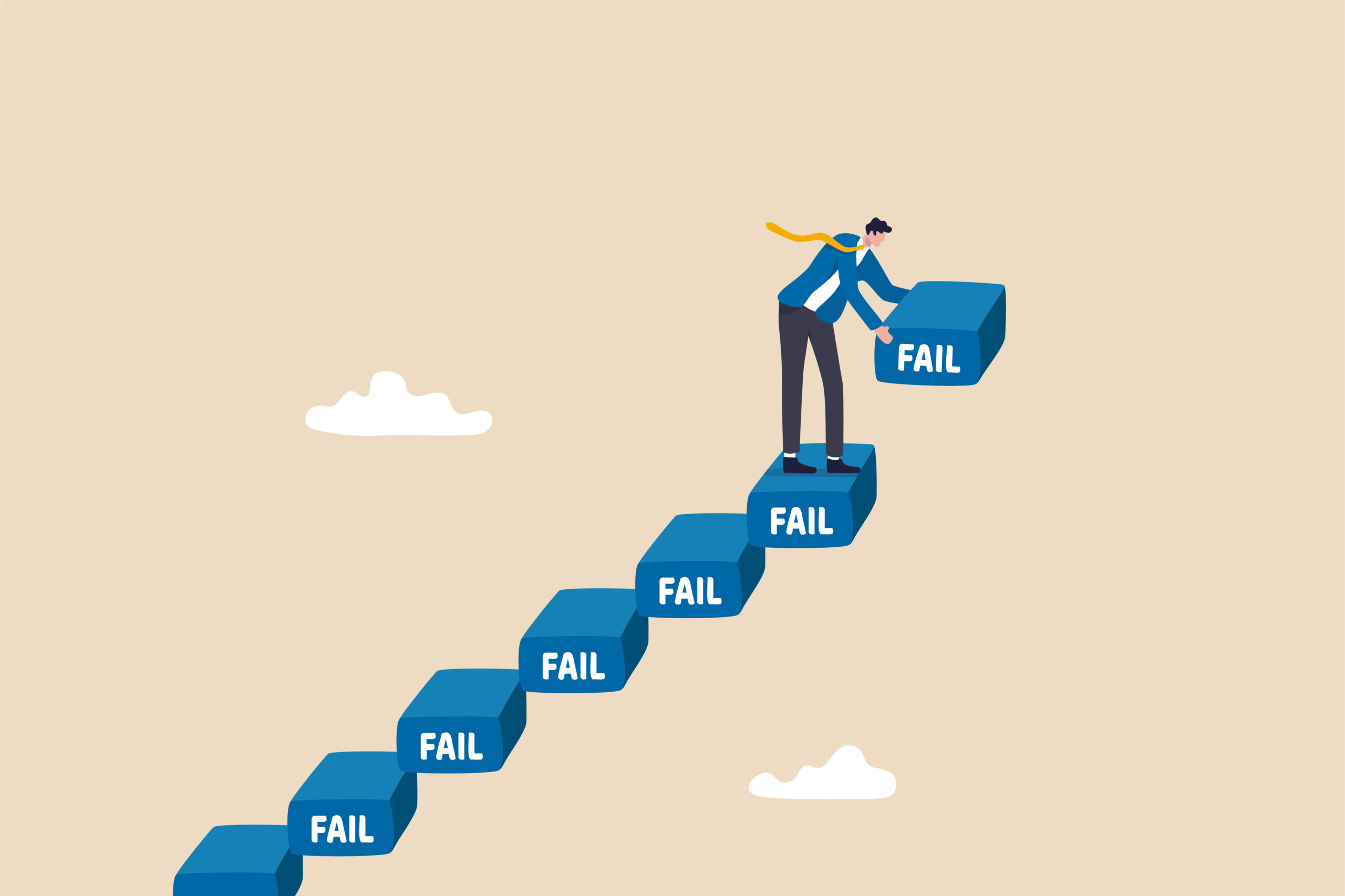
    Ever heard the saying, “when life gives you lemons, sugar, water and ice, make lemonade”? Well, neither has anyone else. You’ve likely heard the phrase without sugar, water, and ice. But why is that? Aren’t those ingredients essential to make good lemonade and be mentioned? It is an understood concept: you can’t make delicious lemonade without the other ingredients. Similarly, you can’t achieve success without hardship. The path to success is often overlooked and seen as simple; failure and struggle before success can go unnoticed from an outsider’s perspective. To ensure future success, it’s vital to understand how to cope with failure and overcome negative thinking.

    Accept How you are Feeling

    You view the world through your mental attitude. If that attitude is mostly negative, it can impact everything. Failure is linked with feelings and emotions such as sadness, anxiety, stress, anger, etc. Accepting how you feel can help form a healthy coping mechanism which, in turn, can make you work harder to find different and better solutions to your problems in the future.

    Learn From your Failures

    Learning from your failures is the single most important thing you can do to cope positively from failure. Allow yourself to accept that one path has been proven ineffective and that a redirection is in order. Understanding what you did wrong can help you be mentally more prepared and establish specific goals for the future. Fall down seven times, get up eight with confidence and the experience gained from previous losses!

    Find Inspiration

    Finding inspiration after a failure can be hard, and rightfully so. Negative thoughts drain you of energy and keep you from being in the present moment. Many have found help in reading a good book, spending time with loved ones, going on a trip, starting a new hobby, and practicing mindfulness.

  • What Happens If I Don’t Pass the GED Test?

    By GED Author

    We all know failure is sometimes a part of success, and this is true even with the GED test. If you don’t pass the first time, you have a few opportunities to do better in certain areas of the test. You can study, then retake the test and do better. It’s possible to pass.

    Many people before you have not passed on their first try. They improved a knowledge area, then passed on a second or third attempt. You can do it! We’re going to help you answer several questions, like:

    • How many times can you take the GED test?
    • How do you prepare to retake it?
    • How much does a retake cost?

    You only truly fail if you give up. You can keep learning and try until you pass. You are capable of it. Remember why you want to succeed, and use the tips below in your next attempt.

    How Many Times Can You Take the GED Test?

    Retakes policies and holds are determined by your state, please check your state’s specific requirements.

    It’s natural to feel disappointment and maybe anger if you don’t pass a subject test the first time. Many students have trouble with a particular subject within the GED—they might struggle with math, for example. So, you can retake the subject test you didn’t pass. This lets you study just that subject more intensely until you can pass its test.

    How Much Does It Cost to Retake a Test Subject?

    You may be able to retake subject tests for free. The GED Testing Service doesn’t charge another fee if you need to retake a subject. Test locations might also decide to give you free or low-cost retests. Just ask about it.

    What Are the State Policies for Retaking the GED?

    Most states let you retake a subject test without any kind of waiting period. After three attempts, including the first, they usually give you a waiting period of 60 days before the fourth attempt. To confirm pricing and all other rules, look up the specific GED testing policy in your state.

    What Score Do You Need to Pass the GED?

    If you don’t pass the first time, you might only need to raise your score a small amount in a particular subject test. You don’t need a perfect score.

    Here’s a more specific breakdown:

    100 to 144: This score is below passing.

    145 to 164: Congratulations, this indicates that you demonstrate high school level skills and knowledge.

    165 to 174: This indicates that you’re prepared to enter college without remediation and may be eligible to bypass placement exams.

    175 to 200: You’ve shown above-average skills and knowledge and may be eligible to bypass placement exams and earn college credits in certain subjects/schools.

    How to Prepare for Your Retake Test

    But how do you actually study? First, look at your scores and ask yourself a few questions to figure out what areas you struggle with:

    • Did you answer every question? Did the test time run out first?
    • Did you use a calculator on the math or science portions? Do you need to learn how to use one?
    • Are you struggling with the written essay? Did you directly answer the writing prompt? Did you write a long enough essay?

    Look for any areas where you need to improve, then pick the study guides that will raise your skills in that area. Keep reading the practice questions and answering them aloud until you are confident you can answer them on the test.

    Then, take a GED practice test. When you finish, it will tell you if you are likely to pass (a score of 145 points or higher), too close to call, or are not likely to pass. This will give you a great idea of whether you need to study and practice more or not.

    Study with Expert Materials

    Remember, if you only struggle in one or two areas, you can pick out the study materials for those areas and practice hard with them. This will save you time and help you improve in the areas where you really need it.

    On GED.com, you can get practice questions, classes, practice tests, and more. You can retake the GED as many times as you need, so you’ll succeed if you keep studying!

Topics

GED+ All-inclusive prep program

Unlimited access to interactive tools, your own personal advisor, a test pass guarantee, and more!

LEARN MORE

Learn at your pace with GED Live online classes

Live and recorded classes will take you through every topic on the GED test and experts are available to answer questions.

LEARN MORE